
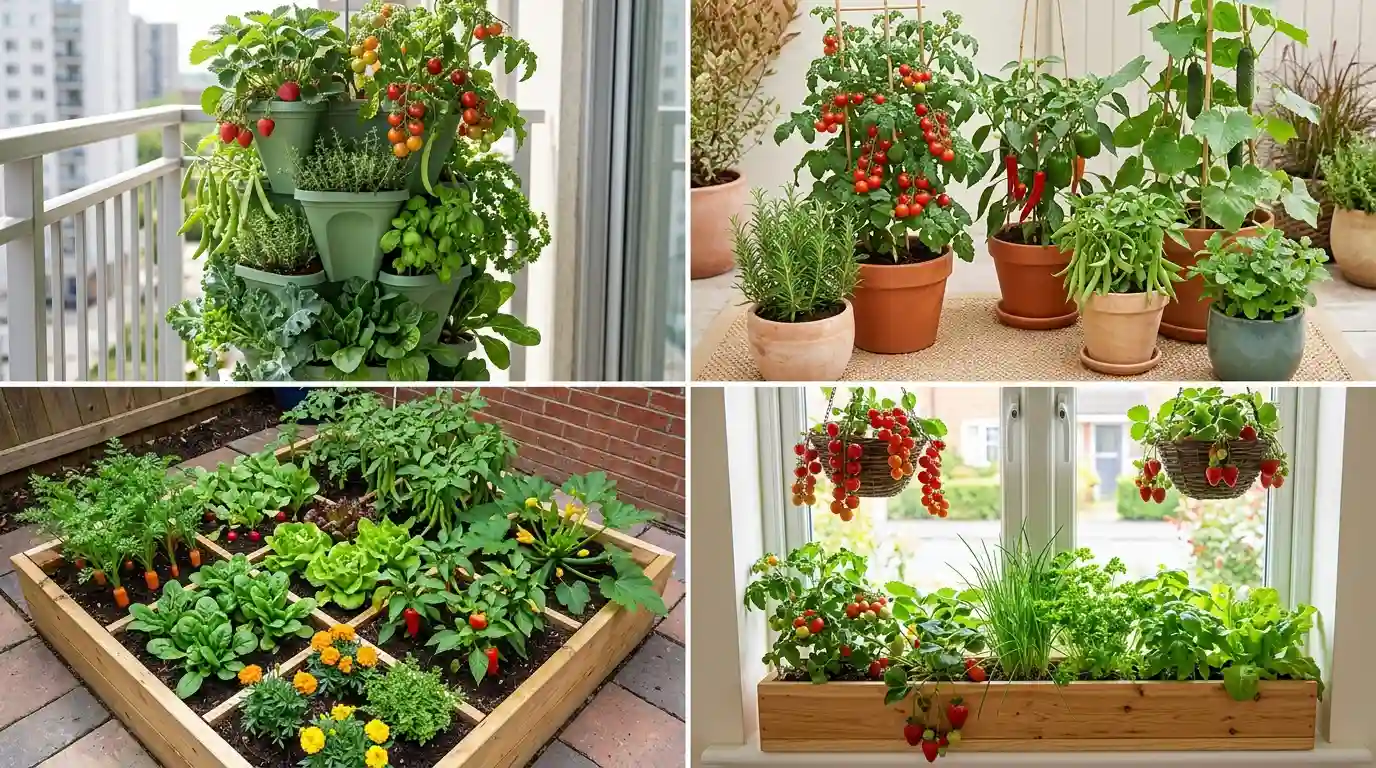
Mini Vegetable Garden Ideas: 16 Easy Small Space Designs
Limited space often stops people from growing fresh vegetables at home. Small balconies, patios, or tiny yards feel too tight for planting, making home gardening seem difficult and out of reach.
Many people also struggle with poor soil quality and lack of sunlight in compact areas. These issues reduce plant growth and discourage beginners from starting their own kitchen garden.
Mini Vegetable Garden Ideas help solve these problems by using smart layouts, containers, and vertical growing methods. Even the smallest space can become productive, fresh, and easy to maintain with simple planning.
16 Mini Vegetable Garden Ideas for Small Spaces and Big Harvests
I’m going to share vegetable garden ideas that make the most of limited space while producing impressive harvests. These practical ideas can help you grow fresh vegetables and create a productive garden, even in a small area.
1. Container Vegetable Garden
Growing vegetables in containers is one of the easiest mini vegetable garden ideas for beginners. Pots, buckets, and fabric bags work perfectly on balconies, patios, and small yards without needing ground soil.
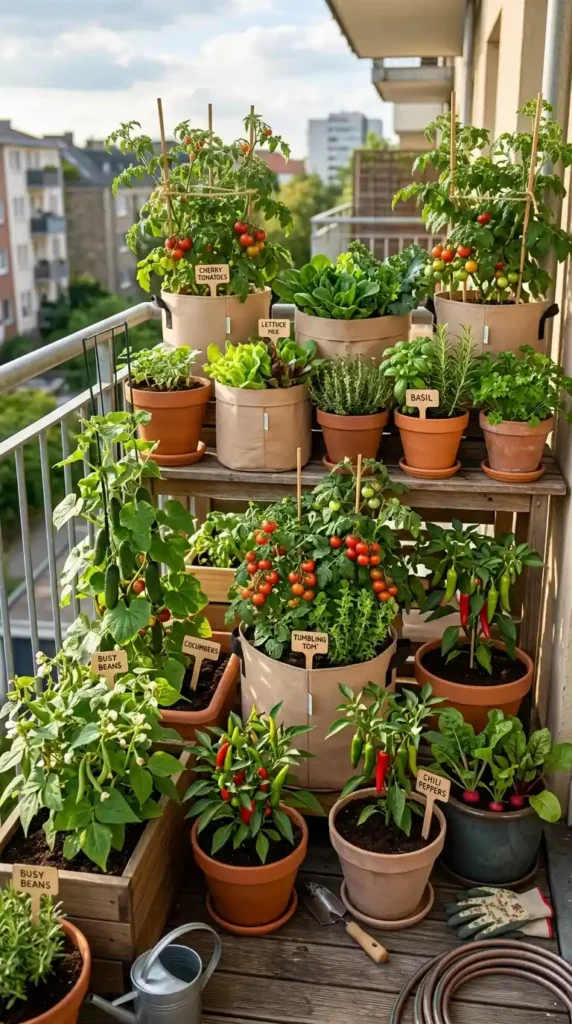
Choose deep containers for tomatoes, peppers, and carrots. Ensure proper drainage holes at the bottom. Use quality potting mix and water regularly to keep container vegetables healthy and productive throughout the growing season.
2. Vertical Pallet Garden
A vertical pallet garden transforms an unused wooden pallet into a productive growing space. Mount it against a wall or fence to grow lettuce, herbs, and strawberries without taking up floor space.
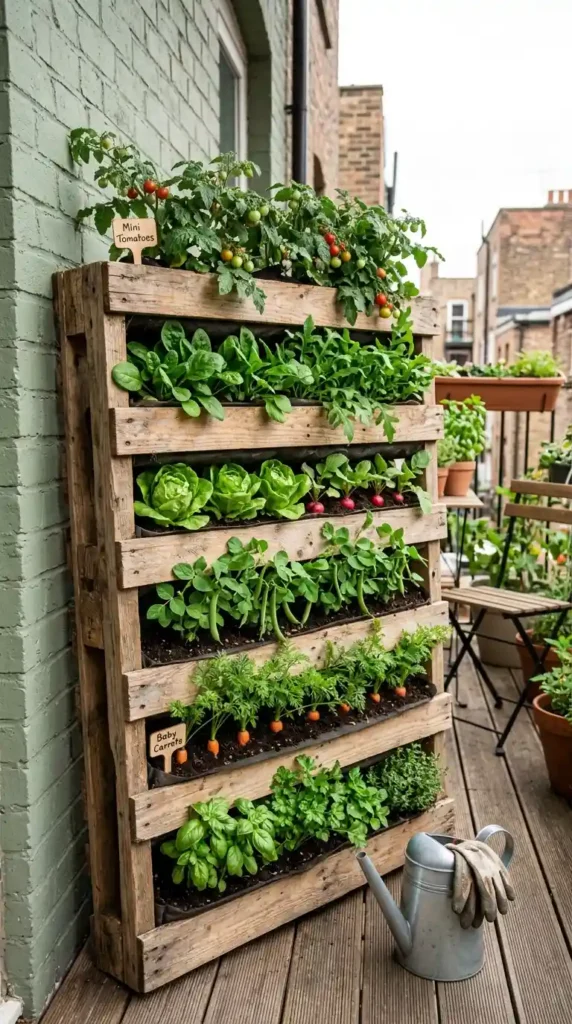
Fill each pallet slot with rich potting soil and plant small vegetable seedlings directly. Water gently from the top and let moisture filter down evenly, keeping every plant hydrated and growing strong.
3. Raised Bed Garden
Raised bed gardens offer excellent soil control and better drainage for growing fresh vegetables. Even a small 4×4 foot bed can produce tomatoes, kale, beans, and herbs in a compact, organized layout.
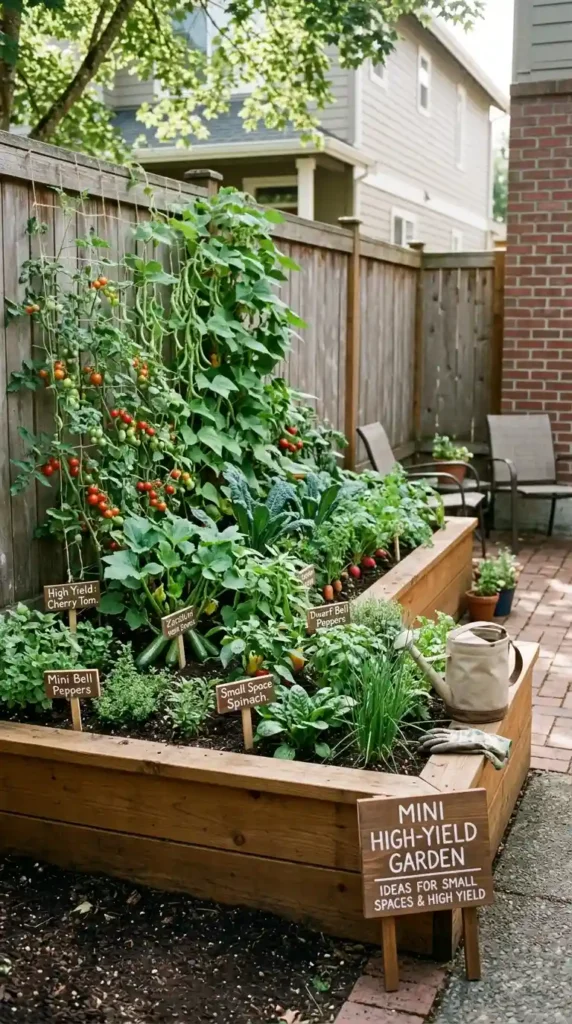
Build raised beds using wood planks, cinder blocks, or galvanized metal. Fill them with a mix of compost and topsoil. Raised beds also reduce weeds and make gardening easier on your back.
4. Window Box Herb Garden
Window boxes attached to railings or windowsills create a perfect mini vegetable garden for urban homes. Grow basil, parsley, chives, and mint just outside your kitchen window for daily fresh cooking use.
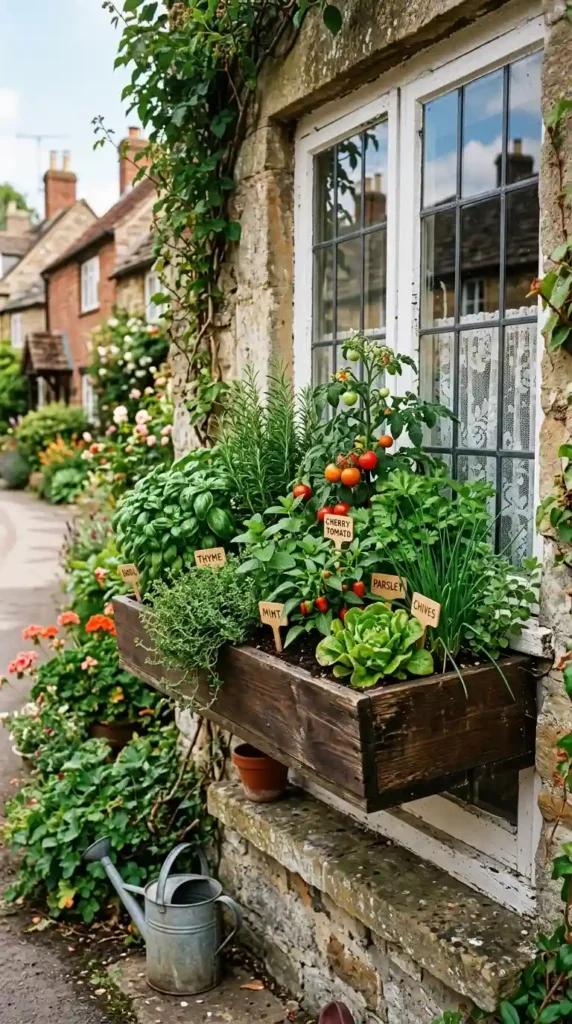
Use a lightweight potting mix and ensure each box has drainage holes. Water consistently and trim herbs regularly to encourage new growth. Window box gardens stay accessible, decorative, and productive throughout spring and summer seasons.
5. Hanging Basket Garden
Hanging baskets are creative mini vegetable garden ideas that use overhead space most gardeners completely ignore. Cherry tomatoes, trailing cucumbers, and strawberries grow beautifully when suspended from hooks, pergolas, or balcony overhangs.
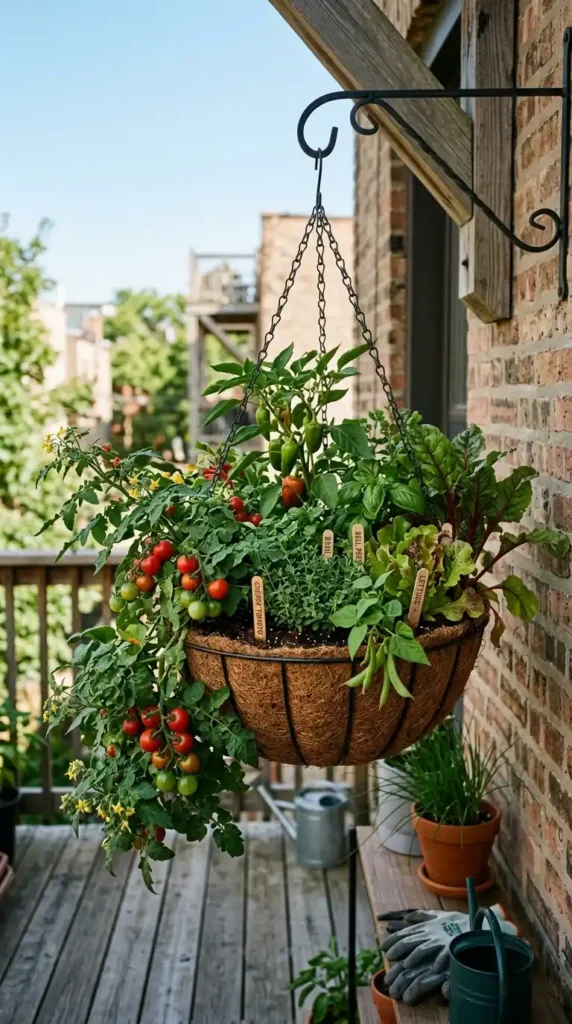
Choose sturdy baskets lined with coconut coir to retain moisture longer. Water hanging baskets daily in warm weather as they dry out faster than ground containers. Fertilize weekly to maintain strong plant growth.
6. Tiered Planter Garden
Tiered planters stack multiple growing levels into one compact unit, maximizing yield in the smallest spaces. Place taller plants on the bottom tier and trailing or compact vegetables on higher shelves above.
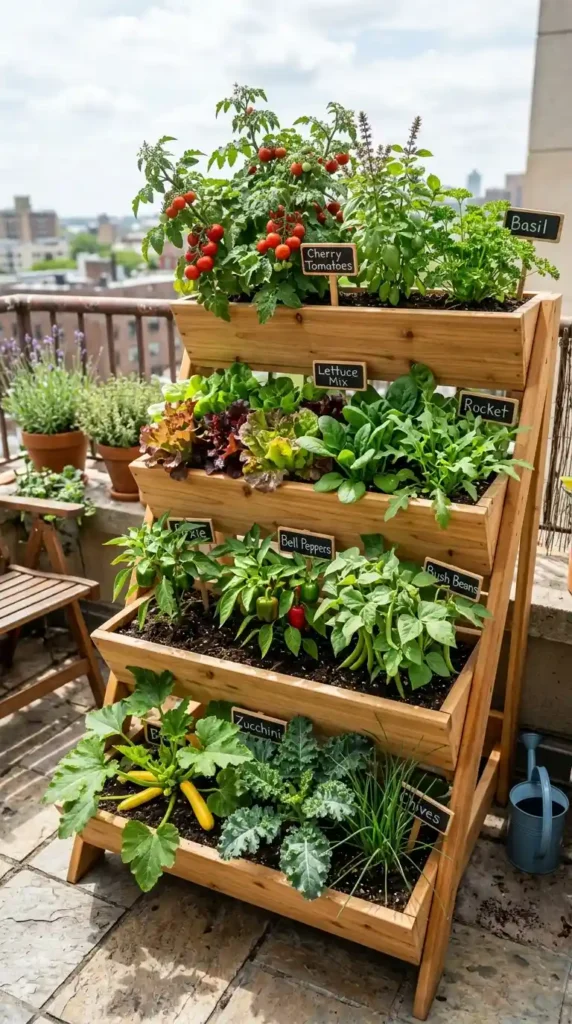
These planters work well on patios, balconies, and small decks. Grow spinach, radishes, and herbs across different levels. Ensure each tier receives enough sunlight by positioning the unit in a south-facing outdoor location.
7. Square Foot Gardening
Square foot gardening divides a small raised bed into individual one-foot sections for organized, high-yield planting. Each square grows a different vegetable, reducing waste and making the most of every inch of space.
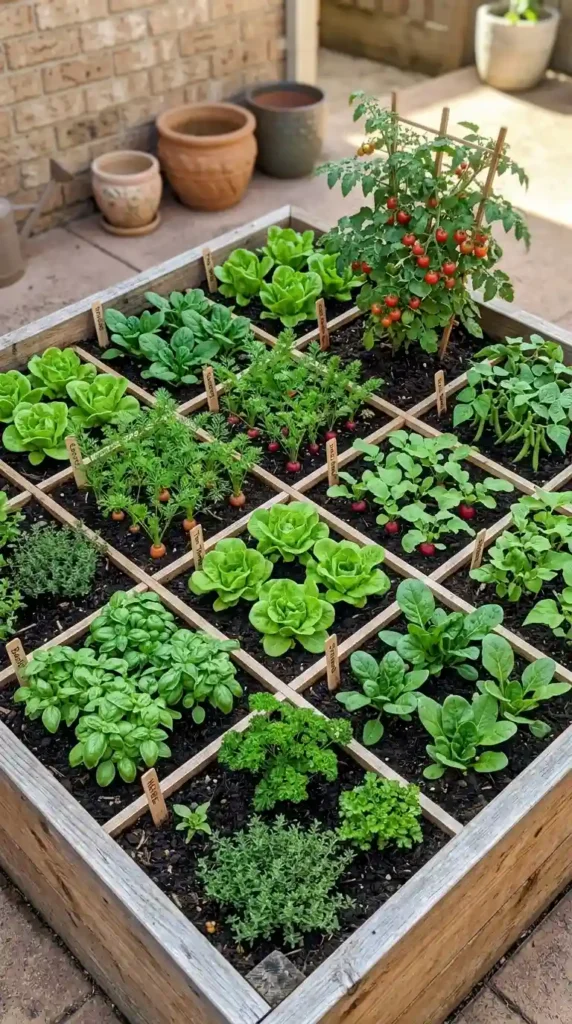
This method prevents overcrowding and simplifies crop rotation each season. Plant tomatoes, carrots, lettuce, and peppers in separate squares. Beginners find square foot gardening easy to manage, water, and harvest throughout the entire growing season.
8. Grow Bag Garden
Grow bags are affordable, portable mini vegetable garden idea made from breathable fabric material. They prevent root circling, improve air pruning, and produce healthier root systems compared to traditional hard plastic pots.
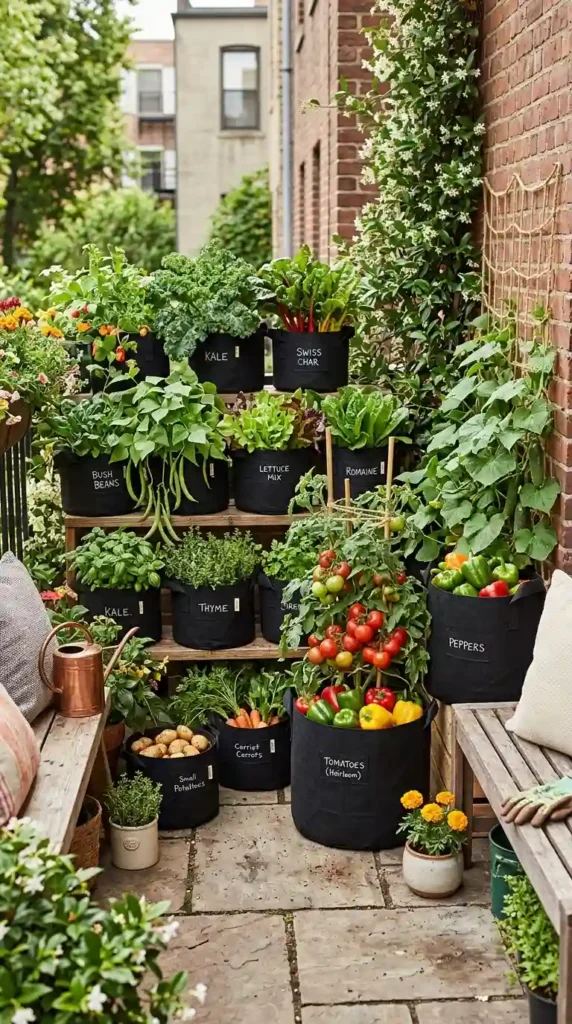
Place grow bags on patios, driveways, or rooftops where ground planting is impossible. Potatoes, tomatoes, and peppers thrive especially well in large grow bags. Move them easily to follow sunlight as seasons change throughout the year.
9. Trellis Vertical Garden
Adding a trellis to your mini vegetable garden lets climbing vegetables grow upward instead of outward. Beans, cucumbers, peas, and small squash varieties all climb naturally, saving valuable horizontal ground or container space.
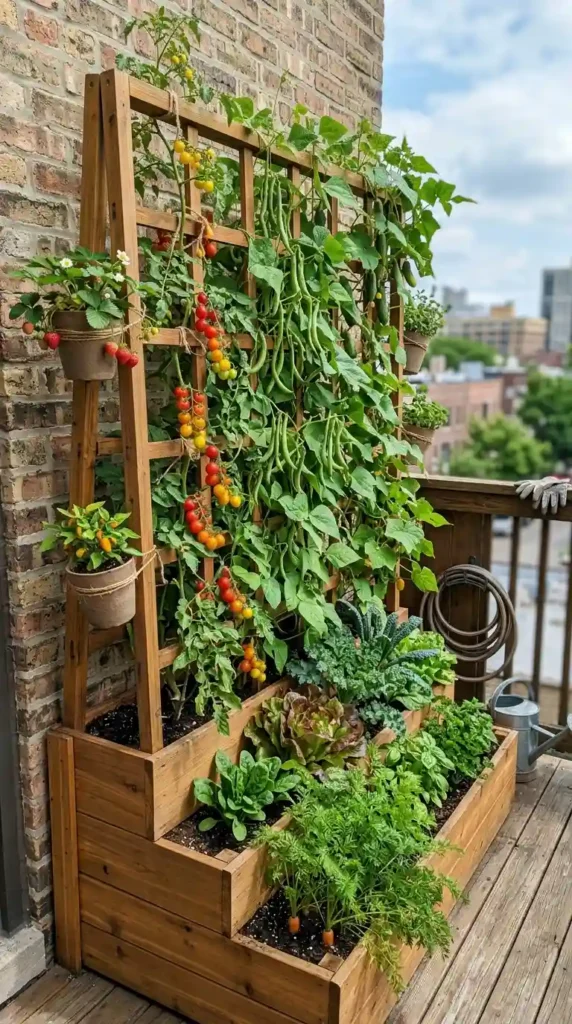
Install a simple wooden or metal trellis behind raised beds or containers. Train young vines gently onto the structure as they grow. Vertical trellising also improves airflow around plants, reducing common fungal diseases significantly.
10. Straw Bale Garden
Straw bale gardening is an innovative approach where vegetables grow directly inside conditioned bales of straw. Bales act as self-contained planters that are excellent for patios, driveways, and areas with poor soil quality.
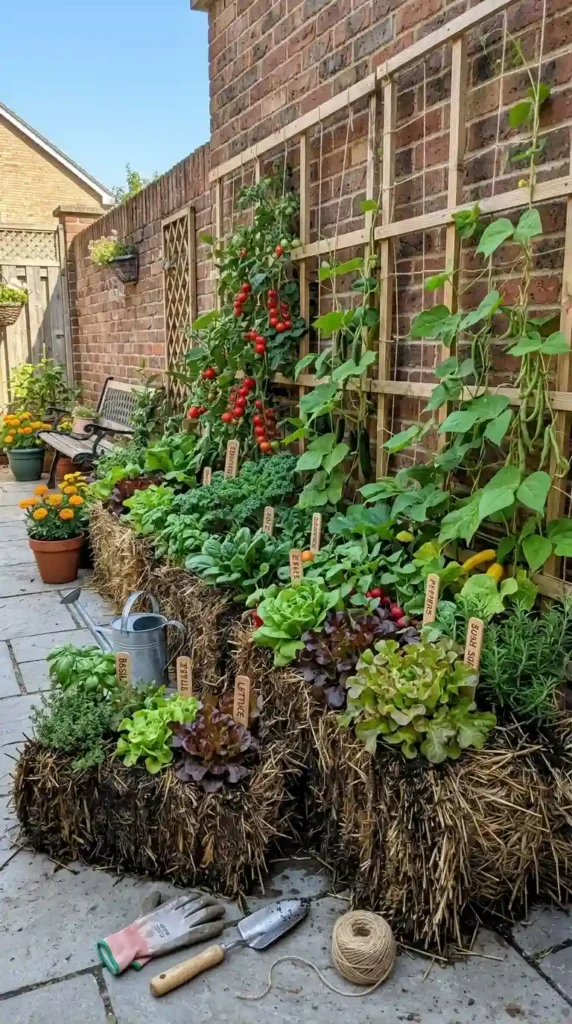
Condition bales with nitrogen fertilizer for two weeks before planting to begin internal decomposition. Plant tomatoes, zucchini, and peppers directly into the softened center. Straw bales retain moisture well and provide natural warmth for roots.
11. Keyhole Garden Bed
A keyhole garden features a circular raised bed with a narrow path cut inward for easy center access. This clever design lets you reach every plant without stepping into the bed or compacting garden soil.
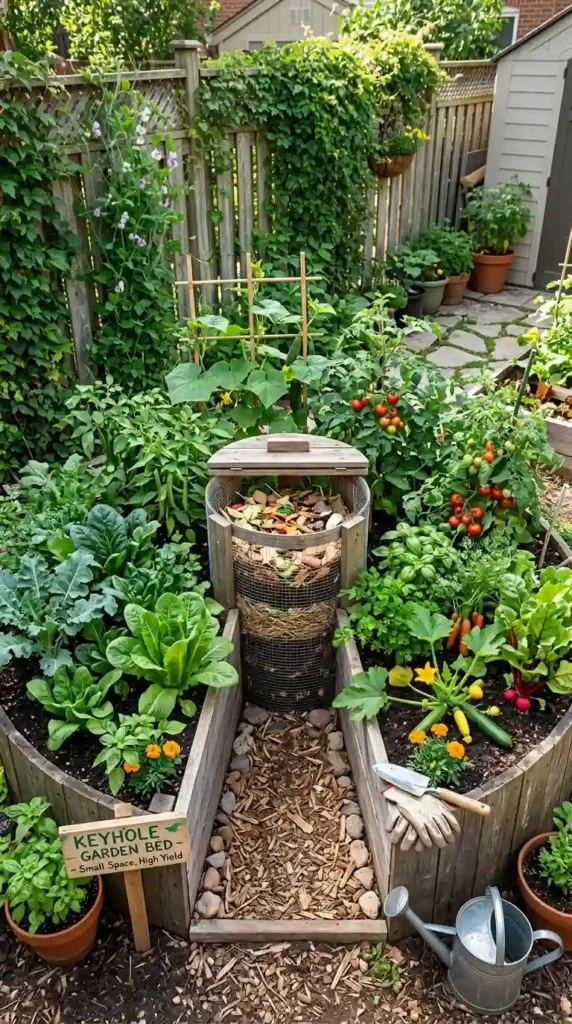
Keyhole beds maximize planting space while keeping maintenance simple and comfortable for all gardeners. Fill the center with a compost basket to feed surrounding soil naturally. Grow greens, tomatoes, and herbs around the entire perimeter easily.
12. Tower Garden
Tower gardens stack plants vertically in a tall column structure, producing impressive yields in very limited floor space. Commercial tower systems use hydroponics, but simple DIY versions work well using stacked pots or PVC pipes.
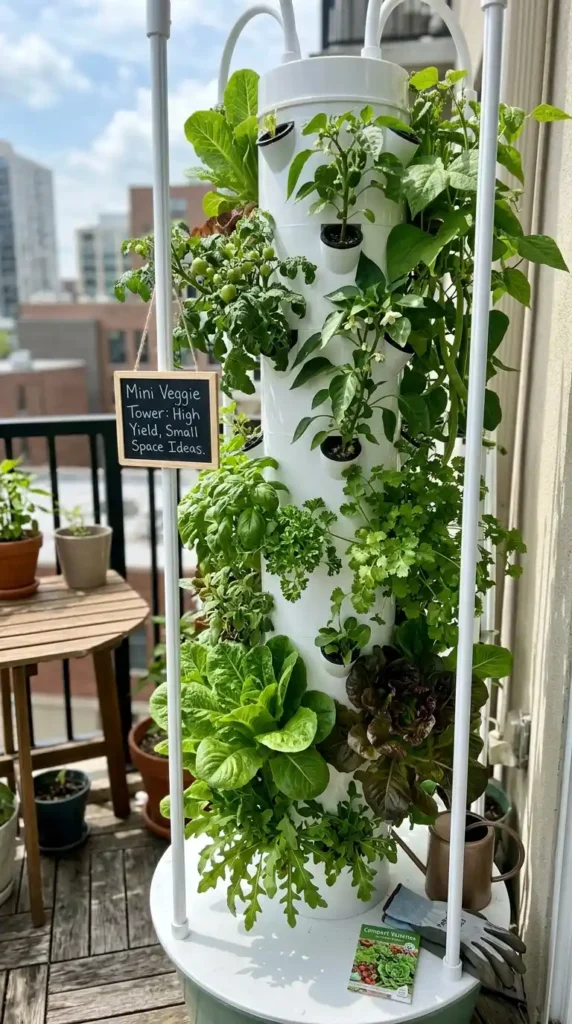
Lettuce, spinach, strawberries, and herbs grow especially well in tower garden setups. Water flows down from the top through each level naturally. Tower gardens are ideal for patios, rooftops, and sunny indoor spaces near large windows.
13. Repurposed Container Garden
Old colanders, crates, tin cans, and wooden boxes make charming mini vegetable garden ideas at almost zero cost. Repurposing household items reduces waste while creating unique, personalized planters for small balconies and patios.
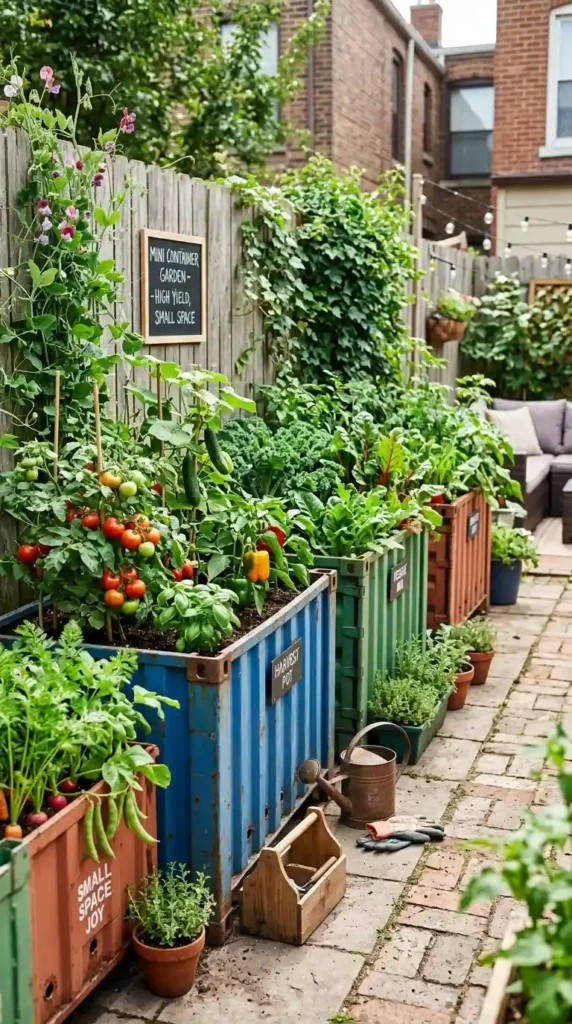
Drill drainage holes into any solid containers before filling them with potting mix. Grow compact vegetables like lettuce, radishes, chives, and cherry tomatoes. Arrange repurposed containers at different heights to add visual interest and maximize sunlight exposure.
14. Indoor Windowsill Garden
A sunny windowsill transforms into a productive mini vegetable garden space for growing food indoors year-round. South-facing windows receive the most light, making them ideal spots for herbs, microgreens, and small pepper plants.
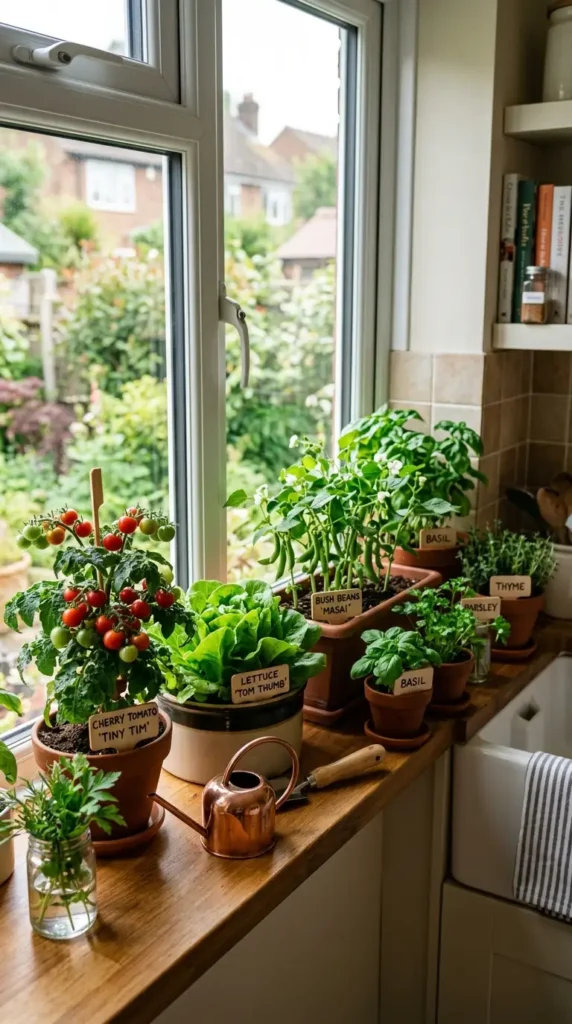
Use shallow trays or small pots filled with light, well-draining potting mix. Grow basil, cilantro, green onions, and microgreens easily without outdoor space. Rotate pots weekly so all sides of each plant receive equal sunlight distribution.
15. Balcony Rail Planter Garden
Rail planters clip directly onto balcony railings, creating a floating garden that uses otherwise empty vertical space. These narrow planters are perfect for herbs, lettuce, and trailing cherry tomatoes in apartment living situations.
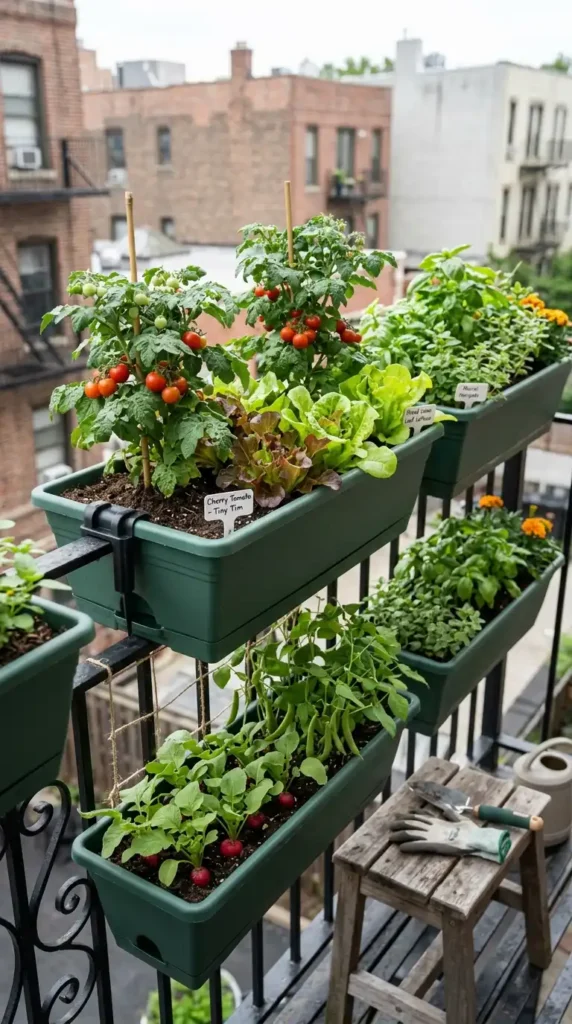
Choose lightweight planters with secure locking brackets to ensure safety on elevated balconies. Use moisture-retaining potting mix to reduce daily watering needs. Rail gardens also add beautiful greenery and fresh fragrance to any urban outdoor living area.
16. Succession Planting Mini Garden
Succession planting means sowing new seeds every two to three weeks to ensure continuous harvests all season long. This smart technique prevents feast-and-famine harvesting and keeps your mini vegetable garden productive from spring through autumn.
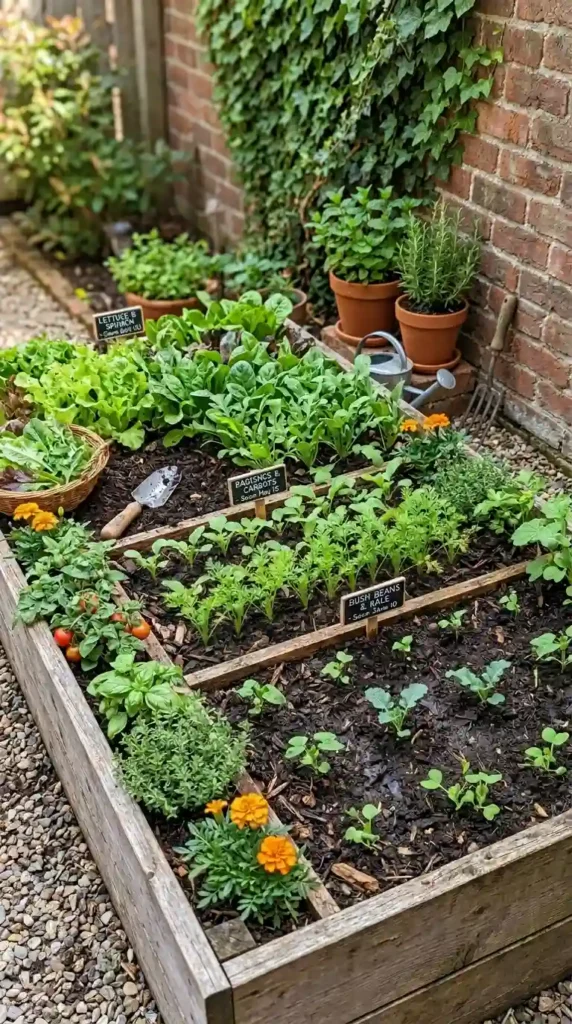
Start with fast-growing crops like radishes, lettuce, and spinach for quick first harvests. Follow with beans, carrots, and kale in staggered batches. Succession planting maximizes every inch of your small garden space with minimal extra effort required.
How to Start a Mini Vegetable Garden for the First Time
Starting a mini vegetable garden feels overwhelming without a clear plan. Simple steps make it manageable, enjoyable, and successful even for complete beginners everywhere.
Choose Your Space First
Find a spot receiving at least five to six hours of direct sunlight daily. Balconies, patios, and windowsills all work perfectly for beginners.
Pick the Right Growing Method
Choose containers, raised beds, grow bags, or vertical planters based on your available space. Each method suits different home environments and gardening skill levels.
Select Easy Vegetables to Grow
Start with fast-growing crops like lettuce, radishes, cherry tomatoes, and herbs. These forgiving vegetables produce quick results and build confidence for new gardeners.
Prepare Your Soil Properly
Never use garden soil in containers as it compacts quickly and blocks drainage. Quality potting mix blended with compost gives plants everything they need.
Water Consistently and Smartly
Check soil moisture daily by pressing your finger one inch deep. Water thoroughly when dry and avoid overwatering to prevent common root rot.
What Tools You Need to Start a Mini Vegetable Garden
Starting a mini vegetable garden becomes easy when you use a few basic tools. These simple items help you plant, water, and care for vegetables even in small spaces.
- Hand Trowel: Useful for digging soil, planting seeds, and moving small amounts of compost quickly and easily.
- Watering Can: Helps give plants a gentle and even supply of water without harming young roots.
- Gardening Gloves: Protect hands from dirt, cuts, and rough soil while working in the garden.
- Pruning Shears: Used for cutting leaves, harvesting vegetables, and keeping plants neat and healthy.
- Garden Fork: Helps loosen soil and improve air flow so roots can grow better.
Conclusion
Growing fresh vegetables is possible in any space with thoughtful planning and simple techniques. Small gardens can provide healthy harvests while staying easy to maintain.
Mini Vegetable Garden Ideas help maximize limited areas using containers, vertical structures, and efficient layouts. These solutions make home gardening productive, enjoyable, and beginner-friendly.