
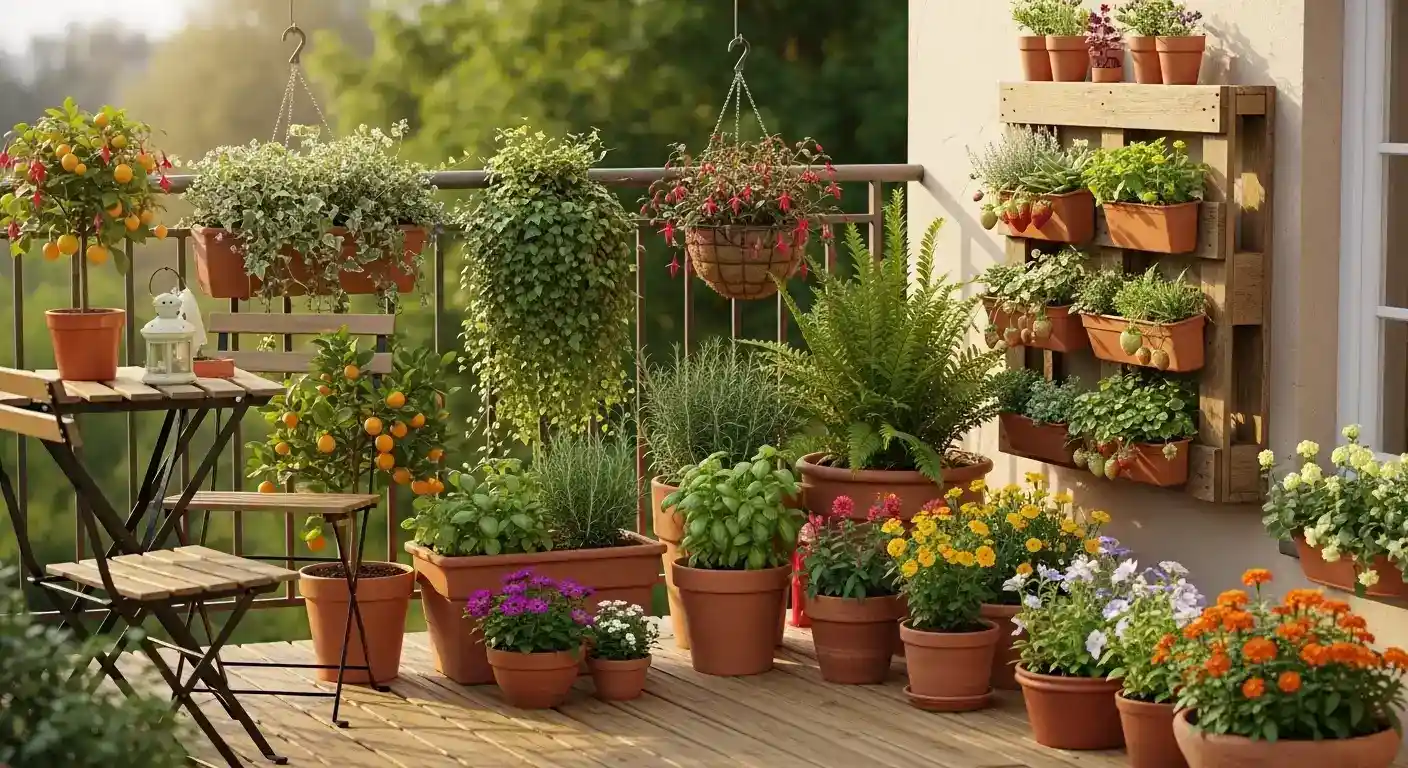
18 Best Small Space Garden Ideas for Balconies & Tiny Yards
Creating a beautiful garden doesn’t require a sprawling backyard. Even the smallest balcony or tiny yard can be transformed into a lush, inviting outdoor space with the right ideas and a little creativity. From vertical planters to compact furniture, small space gardens allow you to enjoy nature without feeling cramped.
With these 18 best small space garden ideas, you’ll discover practical and stylish ways to maximize every inch of your outdoor area. Whether you’re looking for a cozy balcony retreat or a functional mini yard, these tips will help you design a green space that’s both charming and easy to maintain.
How to Do Gardening in Small Spaces Using Practical Mini Garden Ideas
Transforming a small garden or balcony can be both fun and rewarding. These 18 easy small space garden ideas show how to maximize limited space with creative planting, stylish décor, and smart organization.
1. Bright Light Positioning
Positioning your garden to receive ample sunlight is essential for plant growth, especially in small spaces. Even a compact balcony or tiny backyard can thrive if plants are placed in spots that get direct or filtered light. Assessing sunlight patterns throughout the day helps ensure each plant receives the light it needs to flourish.

Bright light not only supports healthy growth but also enhances flowering and fruiting. For those looking for Small Balcony Decor Ideas, consider using reflective surfaces or light-colored walls to bounce sunlight onto shaded areas. This simple adjustment can turn a small, dark corner into a vibrant, thriving balcony garden.
2. Optimize Space for Vegetables
Maximizing your vegetable yield in a limited area requires smart planning. Use raised beds, vertical planters, or compact containers to grow more in less space. Prioritize high-yield crops that fit well together, such as lettuce, spinach, or cherry tomatoes.
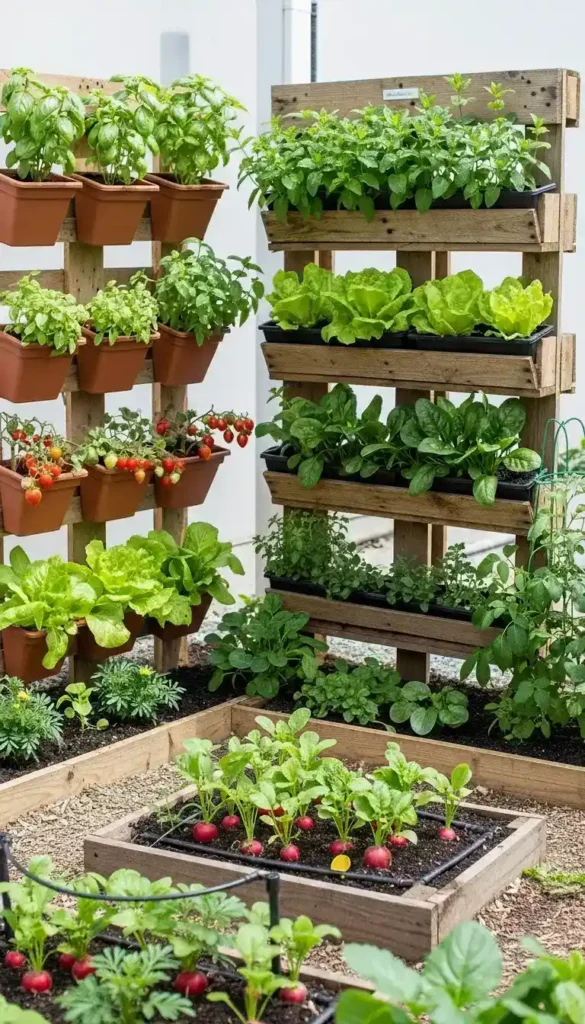
Strategically planting companion crops can save room and improve soil health. By rotating crops and using every inch efficiently, even the tiniest garden can produce fresh, homegrown vegetables year-round.
3. Integrated Storage Solutions
Combining storage with your garden design helps keep your small space organized and functional. Benches with hidden compartments or shelves integrated into planters allow you to store tools, pots, or seeds without cluttering the area.
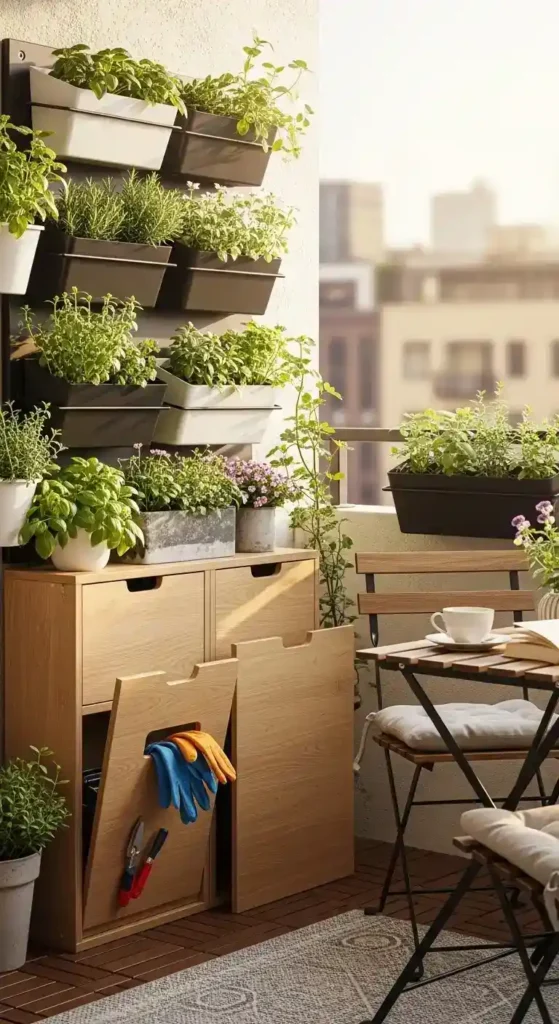
Multi-functional furniture can double as planting space, creating a seamless blend of utility and greenery. With thoughtful storage solutions, your garden stays neat, tidy, and visually appealing, even in the smallest corners.
4. Superproductive Plants
Choosing plants that give more yield in a compact area is key for small-space gardening. Fast-growing herbs, prolific vegetables, and flowering plants with multiple blooms maximize the return on your effort.
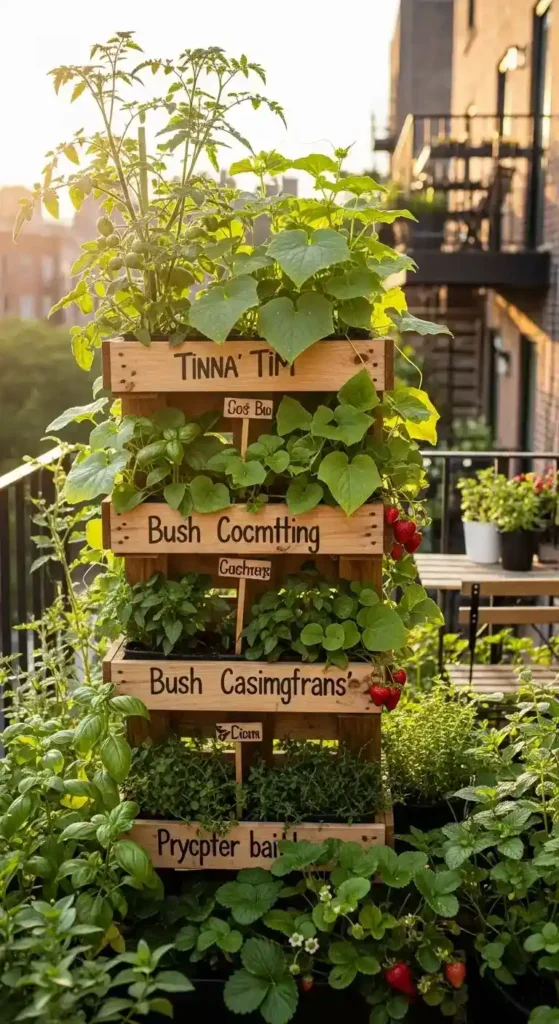
Superproductive plants also reduce maintenance needs while providing continuous beauty or harvest. Look for varieties known for quick growth, repeated flowering, or abundant fruiting to make every inch of your garden count.
5. Combine Similar Species
Grouping plants with similar water, sunlight, and soil needs simplifies care in small spaces. This method ensures efficient watering and prevents overcrowding, making your garden easier to maintain.
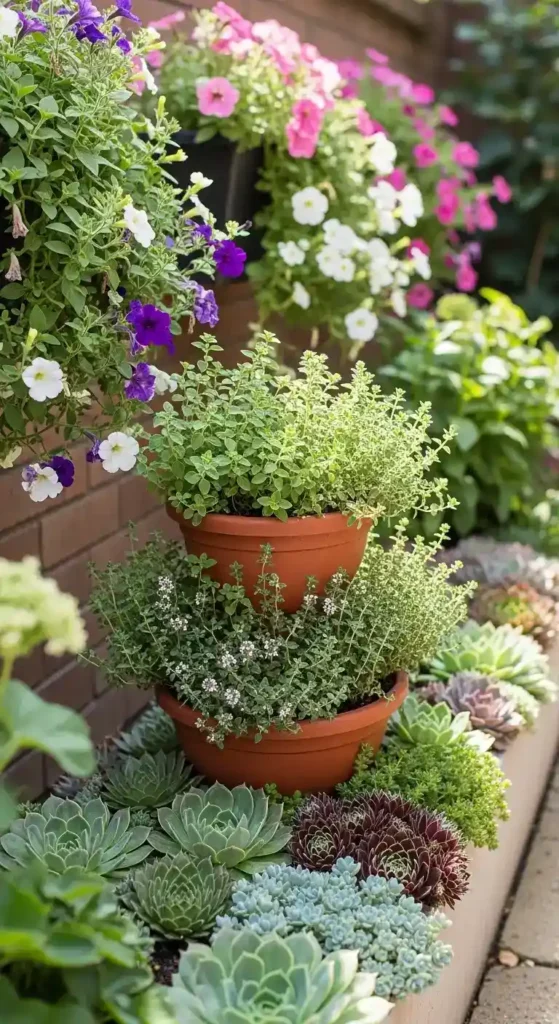
Combining compatible species also creates a cohesive, visually appealing design. Clusters of flowers, herbs, or vegetables can enhance aesthetics while optimizing space and supporting plant health.
6. Dwarf Plant Varieties
Dwarf or compact plant varieties are perfect for small gardens, balconies, or urban terraces. These plants take up less space while still offering vibrant colors, flowers, or edible produce.
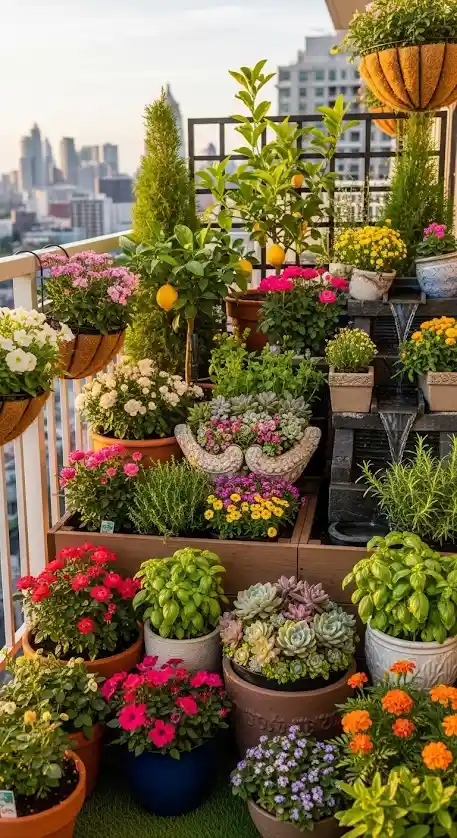
Choosing dwarf varieties also allows for more plants in the same area. This approach maximizes visual impact and productivity without overwhelming your limited garden space.
7. Window Box Gardening
Window boxes are a great way to add greenery without sacrificing floor space. They allow you to grow herbs, flowers, or small vegetables right outside your window, making your garden accessible and charming.
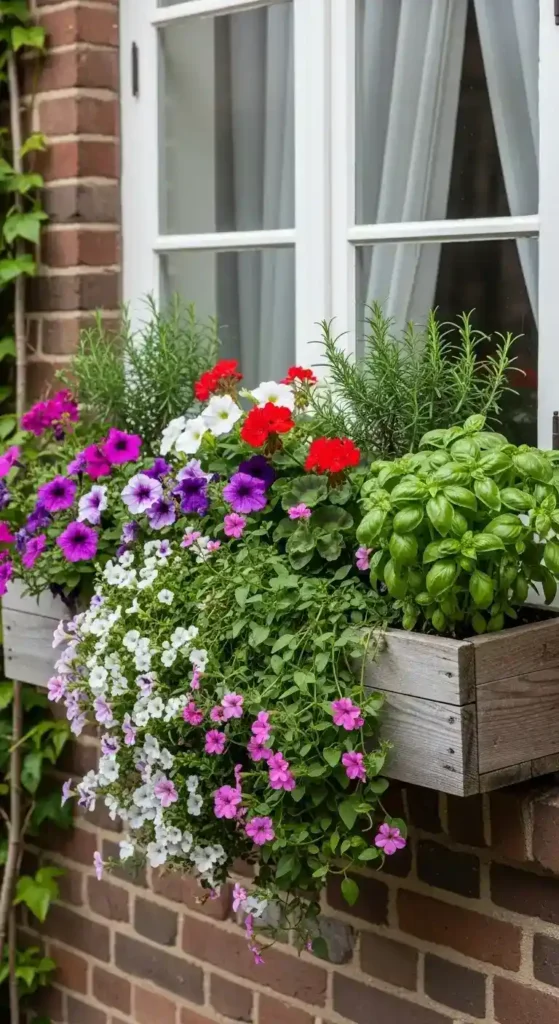
This approach works especially well in apartments or tight urban areas. With careful selection of plants suited for containers, window boxes can bring color and freshness to even the smallest outdoor spots.
8. Thoughtful Garden Planning
Planning your garden layout is crucial for small spaces. Map out where each plant will go, considering sunlight, water needs, and growth patterns to avoid overcrowding.
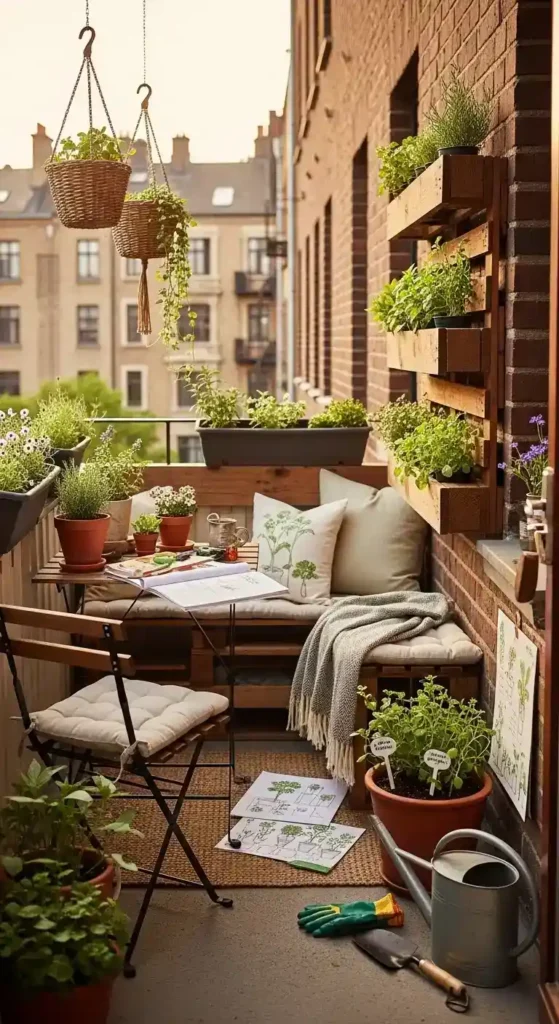
Thoughtful planning also includes timing your plantings and rotations. By designing with care, even a Small Space Garden Ideas can look organized, productive, and inviting throughout the year.
9. Double-Duty Plants
Double-duty plants serve more than one purpose, such as edible flowers, herbs with attractive foliage, or plants that act as both décor and privacy screens. This maximizes functionality in limited spaces.
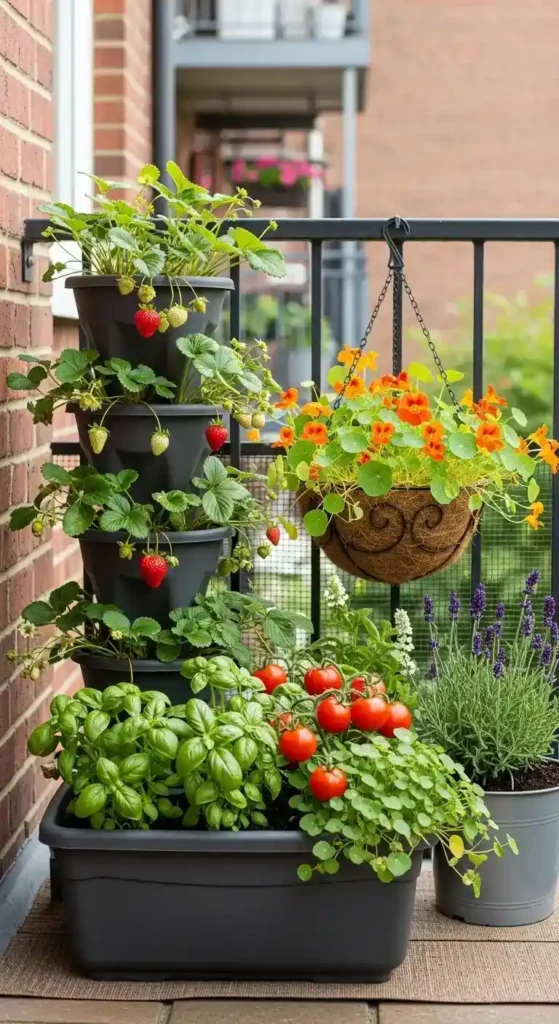
Choosing multifunctional plants reduces the number of separate species needed while enhancing the garden’s utility. These plants help you achieve a beautiful, practical, and efficient garden layout.
10. Upright Plant Selection
Selecting vertical or upright-growing plants saves valuable floor space. Climbing tomatoes, pole beans, and tall flowers can grow upward, leaving room for other plants below.
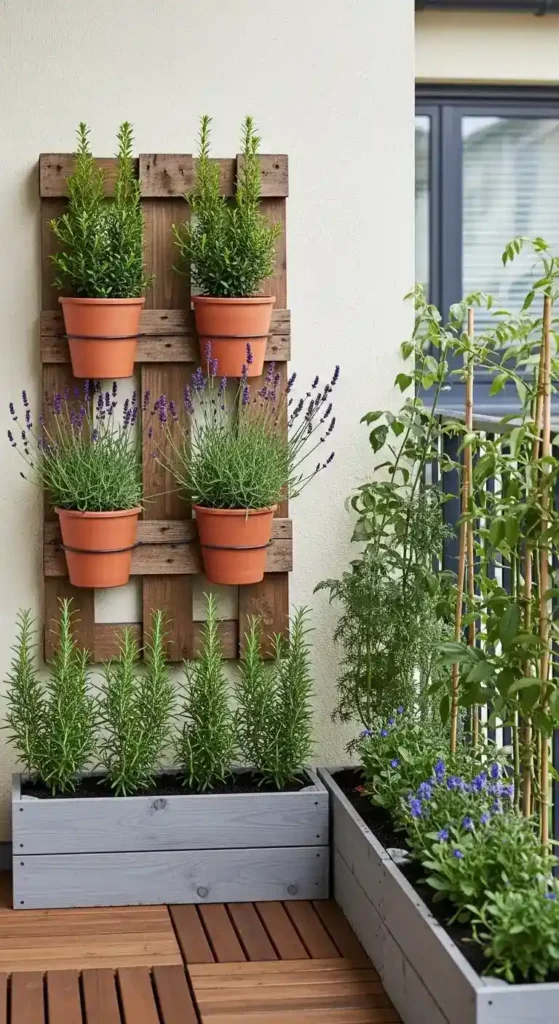
Upright plants also add dimension to your garden, creating visual interest and making the space feel larger. Trellises, stakes, or cages can support growth while keeping plants organized and healthy.
11. Frequent Harvesting
Regularly harvesting fruits, vegetables, or herbs encourages continuous growth. Picking produce often prevents overcrowding and reduces the risk of disease or pests in small gardens.
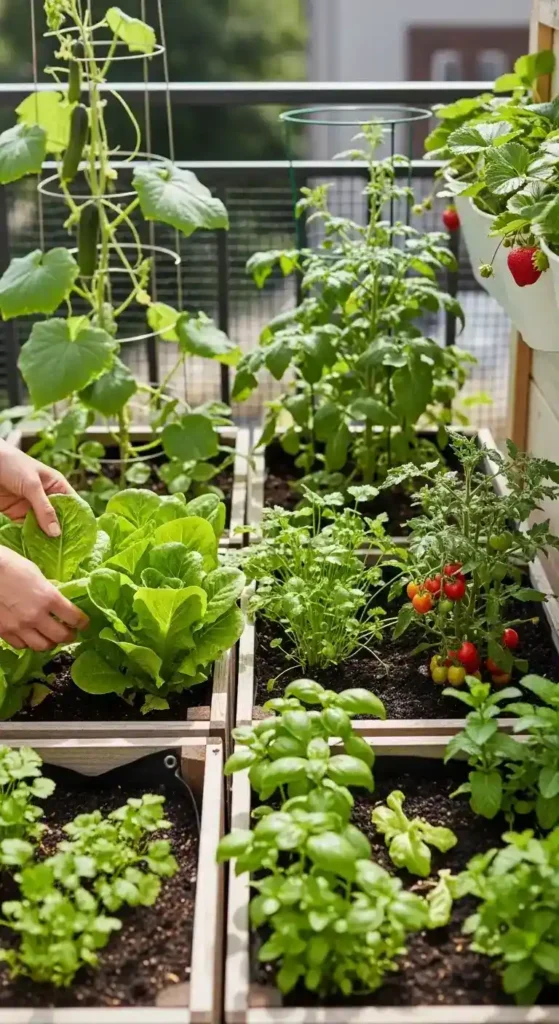
Frequent harvesting also ensures your plants remain productive and your garden remains tidy. This practice is especially important in compact spaces where every plant counts.
12. Layered Garden Levels
Creating layers using shelves, risers, or tiered planters allows you to maximize vertical space. Plants can be organized by height, sunlight needs, or type to make the most of every inch.
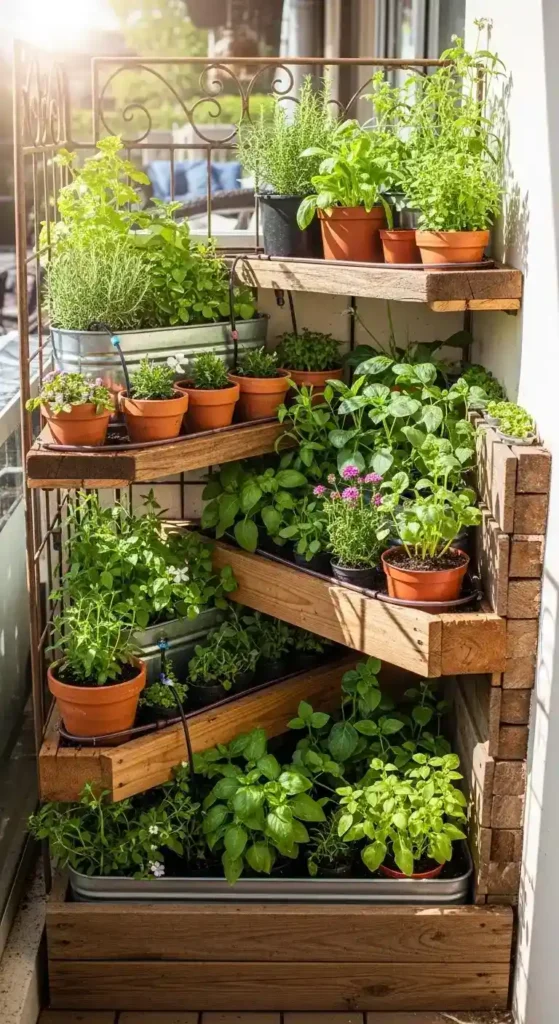
Layered gardens also provide depth and visual interest. From ground-level herbs to higher flowering plants, layering turns a small space into a rich, multi-dimensional garden.
13. Small Root System Plants
Choosing plants with small root systems is essential for container or limited-space gardening. These plants thrive in shallow soil and prevent overcrowding in pots or raised beds.
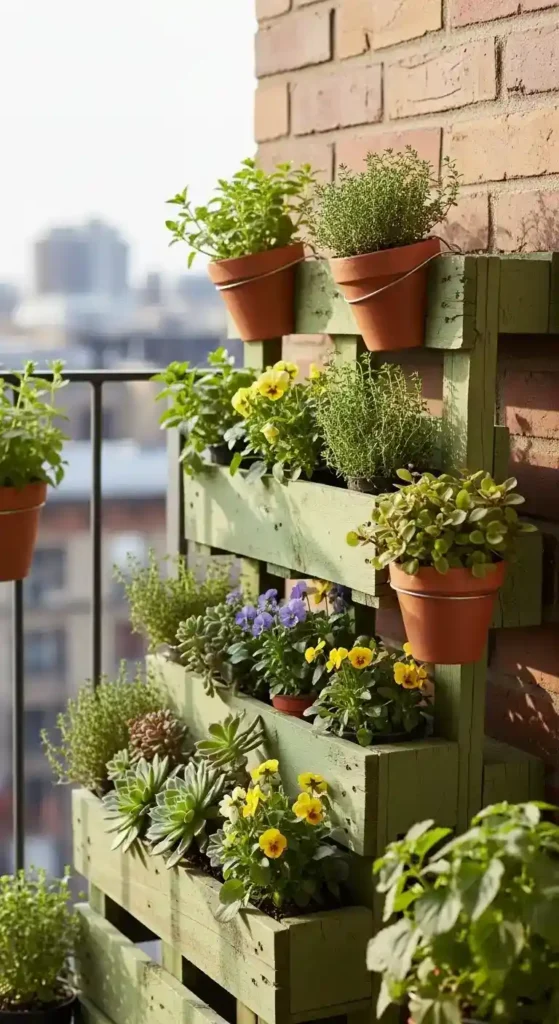
Small root system plants are easier to maintain and ideal for balconies, patios, or tight garden plots. They allow you to grow multiple species without worrying about root competition or poor growth.
14. Vertical Space Utilization
Maximizing vertical space with trellises, wall planters, or hanging systems opens up ground area. Climbing plants like vines or beans can grow upward, freeing space below for other crops.
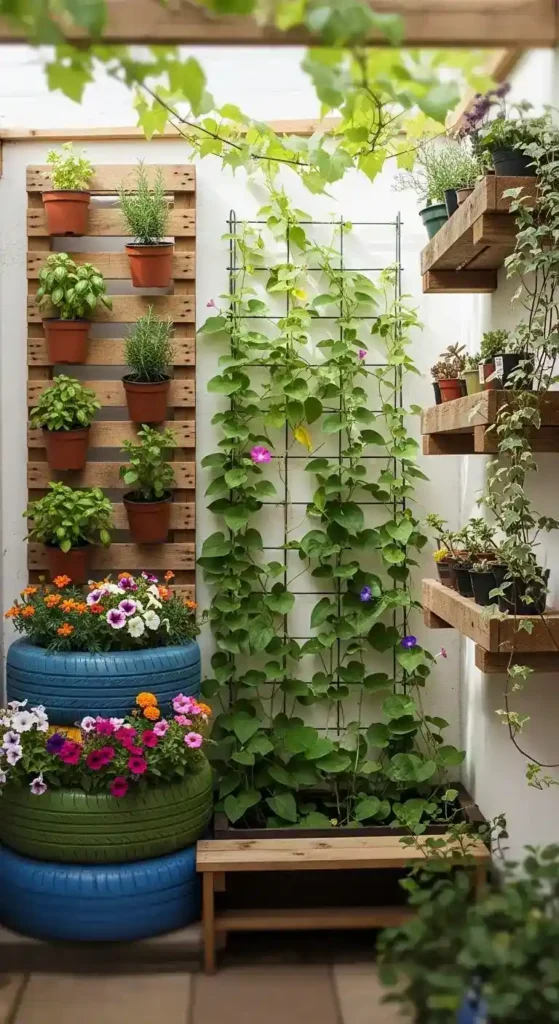
Vertical gardening also enhances aesthetics by drawing the eye upward. This method is especially effective for small balconies or spring garden decor with limited floor space.
15. Mini Versions of Favorite Plants
Using smaller or miniature versions of beloved plants lets you enjoy favorites without overwhelming your garden. Dwarf roses, compact herbs, or tiny shrubs work well in tight areas.
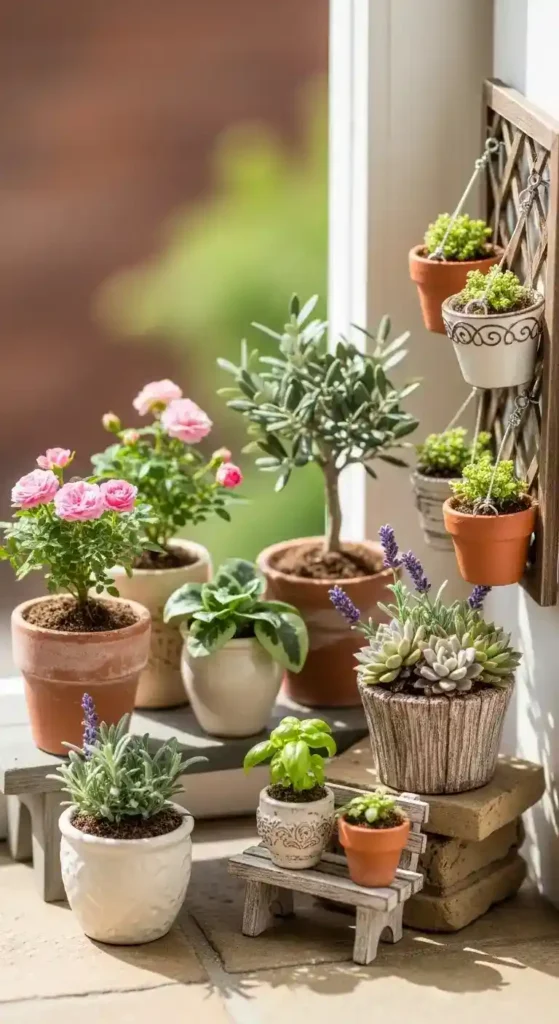
Mini plants maintain visual appeal while conserving space. They allow gardeners to cultivate a variety of plants without crowding, ensuring a balanced and charming garden.
16. Hanging Planters
Hanging planters save valuable floor space and add greenery at eye level. They are perfect for trailing plants, flowers, or even small vegetables.
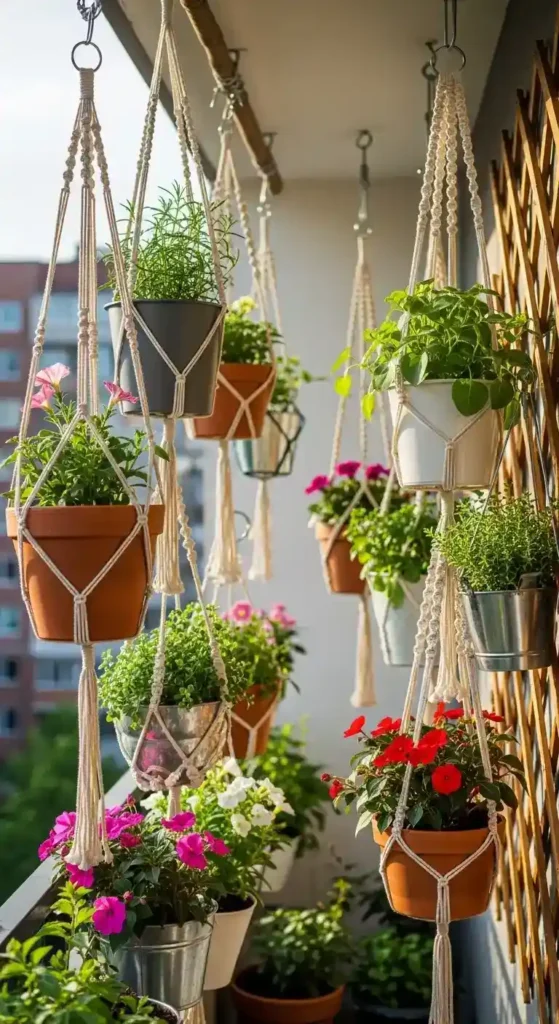
By suspending plants, you create a dynamic, layered look while making efficient use of vertical space. Hanging planters also bring plants closer to light sources in shaded areas.
17. Garden Archways
Garden archways add vertical interest and can support climbing plants like roses, beans, or ivy. They act as natural dividers or focal points in small outdoor spaces.
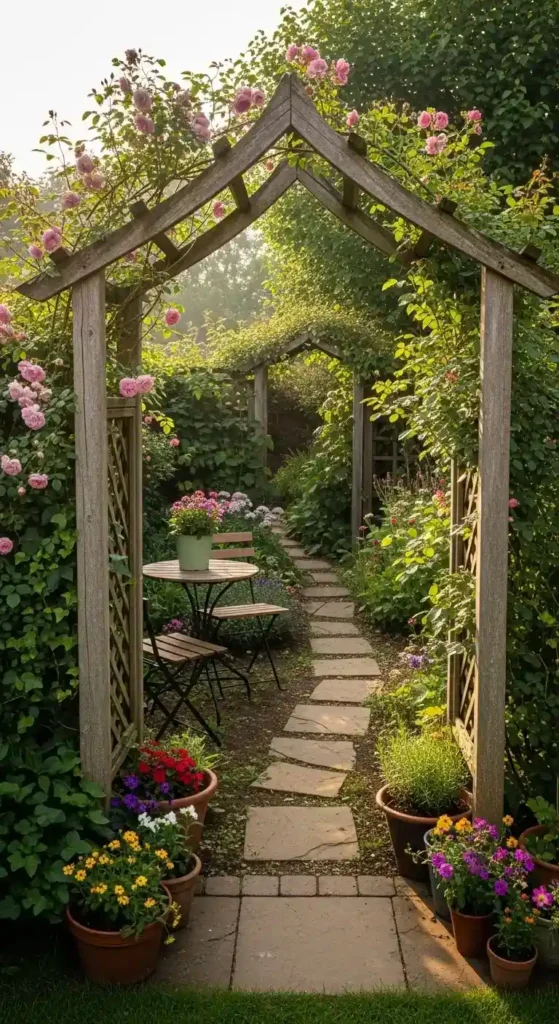
An archway transforms your garden into an inviting and structured environment. It allows vertical growth while enhancing aesthetics and creating cozy, shaded corners.
18. Small Greenhouse Setup
A compact greenhouse allows you to extend the growing season in small spaces. It protects plants from extreme weather while providing ideal growing conditions for vegetables and flowers.
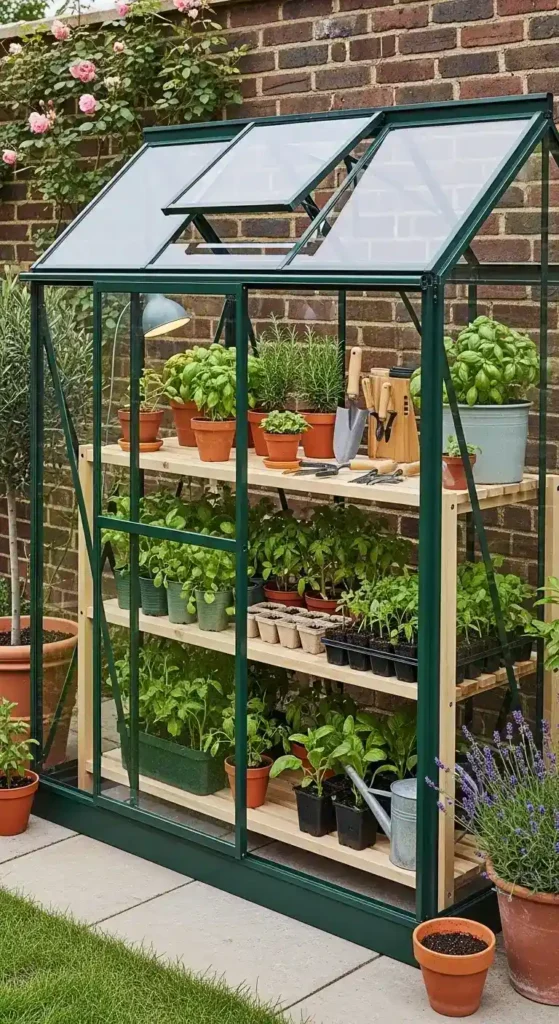
Even a tiny greenhouse can make a big difference, enabling year-round gardening. It maximizes productivity, conserves space, and gives gardeners more control over their plants’ environment.
Tips to Make the Most of Small Space Garden Ideas
When you’re working with a small garden, every inch matters. With smart planning and a little creativity, even the tiniest space can feel lush, functional, and relaxing. These practical tips will help you maximize greenery, improve layout, and make your small garden look bigger and more inviting.
- Use vertical gardening techniques like wall planters, trellises, and hanging pots to grow more plants without taking up valuable floor space
- Choose multi-purpose furniture such as benches with built-in storage to keep tools hidden while maintaining a clean, open look
- Opt for compact or dwarf plant varieties that thrive in small spaces and won’t overwhelm your garden area
- Arrange plants in layers by height to create depth and visual interest instead of placing everything at ground level
- Stick to a cohesive color palette for pots and plants to make the garden feel more spacious and well-organized
- Incorporate mirrors or reflective surfaces to visually expand the space and bounce natural light around
- Use lightweight, movable planters so you can easily rearrange the layout based on sunlight or seasonal changes
- Keep pathways and corners clutter-free to maintain an airy feel and ensure the garden remains easy to navigate
Conclusion
Small space garden ideas show that you don’t need a large backyard to enjoy greenery. With smart planning and creative ideas, even balconies and tiny yards can become vibrant and inviting.
Using vertical gardening, compact plant varieties, and multi-purpose furniture helps maximize every inch. Thoughtful layouts keep your garden organized, functional, and visually appealing.