

21 Ways to Make Your Home Look More Expensive and Transform Your Space
As an Interior Design Architect at Rafay AI, I often meet clients who believe that luxury requires a limitless budget. I have learned through years of experience that true elegance comes from thoughtful curation and attention to detail rather than purely high spending. My goal is to guide you through strategic changes that elevate your environment.
I personally believe that a high-end aesthetic is achieved by eliminating visual clutter and enhancing architectural details. In this guide, I will walk you through actionable ways to make your home look more expensive, ensuring every corner of your property reflects sophistication and intentional design.
Why These Design Tweaks Matter?
Implementing these specific changes is crucial because they target the subconscious indicators of quality and luxury in a home. These ways to make your home look more expensive will not only increase your property’s perceived value but also create a serene sanctuary that feels truly bespoke to you.
1. Replace Small Tiles with Larger Ones
I always advise clients to swap out small, busy tiles for large-format slabs when renovating bathrooms or kitchens. Large tiles minimize grout lines, creating a seamless and expansive surface that tricks the eye into seeing a larger, more luxurious space.
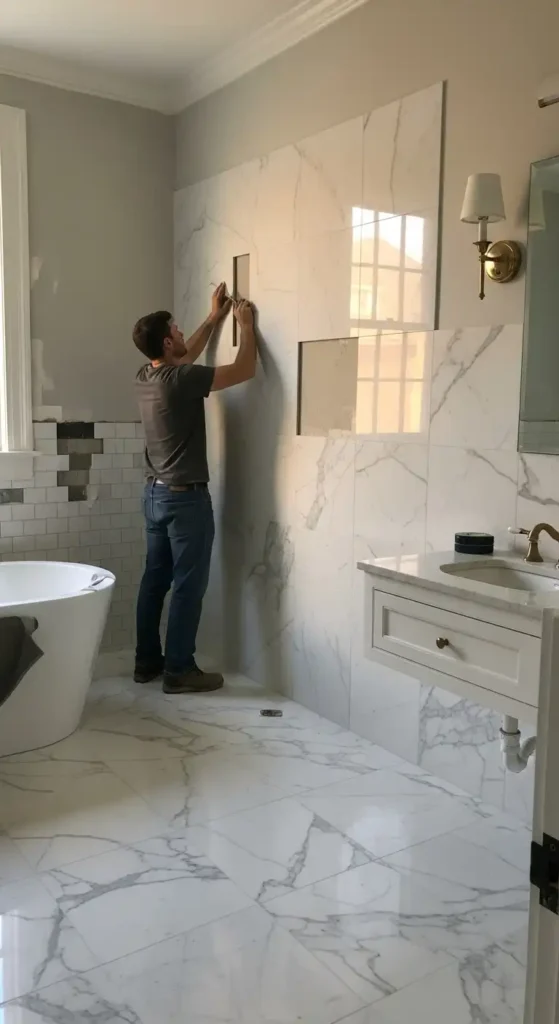
In my projects, I prefer using materials like porcelain or stone in sizes of 24×24 inches or larger. This reduction in visual noise instantly modernizes a room, giving it a sleek, high-end hotel vibe that standard small tiles simply cannot achieve.
2. Add Pops of Color with Parsimony
Restraint is key when introducing color, and I find that using a neutral base with carefully selected accents is one of the best ways to make a home look more expensive. Instead of painting entire rooms in bold hues, I suggest using deep jewel tones or rich earth colors in accessories like throw pillows or art.
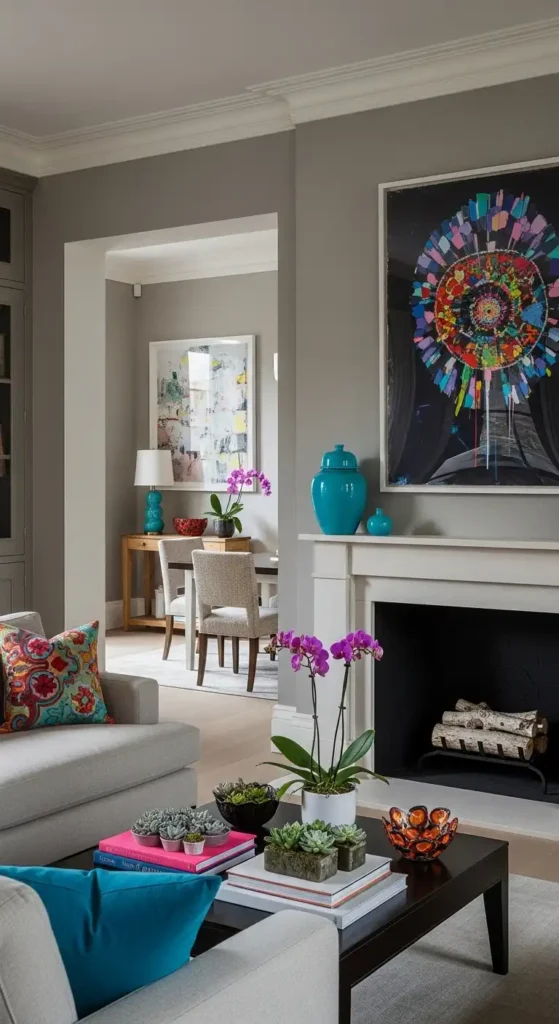
This approach allows the architectural bones of the room to breathe while the color acts as a deliberate focal point. It signals that the design was curated rather than thrown together, creating a sophisticated balance that feels timeless and elegant.
3. Cover Your Couch
If purchasing a new luxury sofa isn’t in the budget, I recommend using high-quality slipcovers to transform your existing furniture. I look for structured covers in heavy fabrics like linen or heavy cotton that fit snugly, avoiding the loose, messy look of cheaper alternatives.
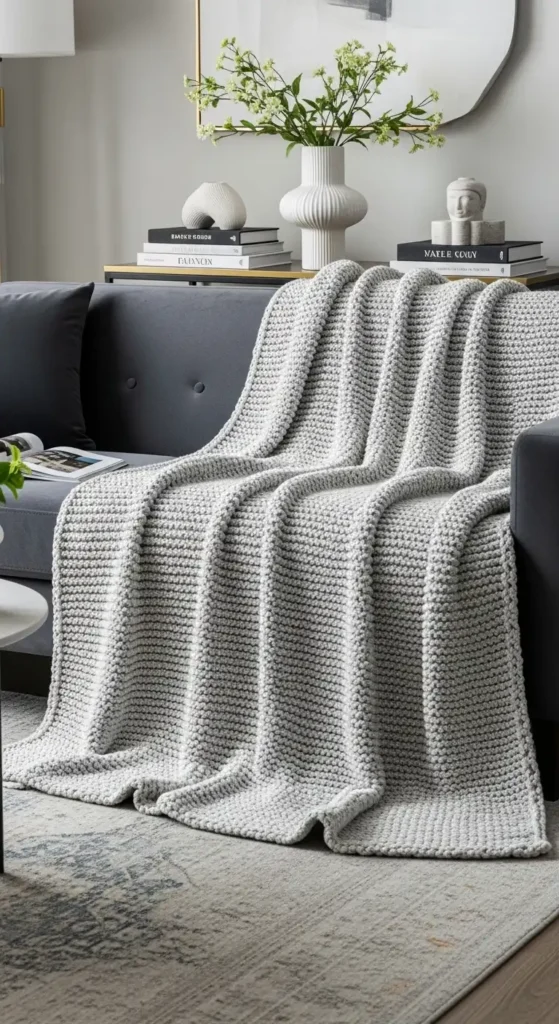
By choosing a neutral tone like beige, charcoal, or cream, you can instantly refresh the centerpiece of your living room. This simple update hides wear and tear while providing a clean, uniform aesthetic that serves as a perfect foundation for styling.
4. Get Rid of Your Old Desk Chair
Nothing drags down the look of a home office faster than a bulky, worn-out ergonomic chair that looks purely utilitarian. I suggest replacing it with a chair that bridges the gap between comfort and style, such as a leather executive chair or a velvet upholstered dining-style chair.
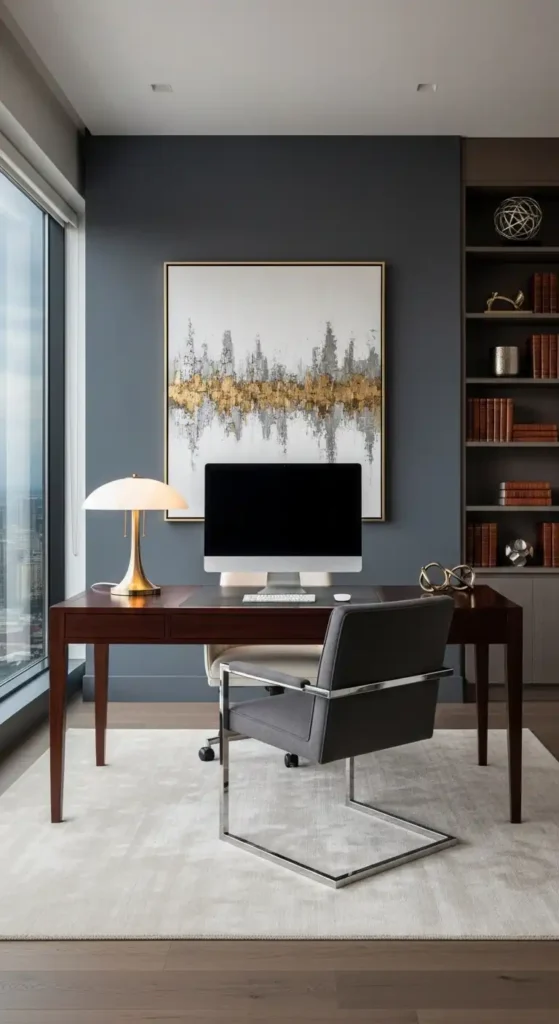
I believe your workspace should feel as designed as your living room, and a stylish chair elevates the entire vignette. It shows that you value aesthetics in every functional area, which is a hallmark of high-end interior design.
5. Update Your Chandelier
Lighting is the jewelry of the home, and upgrading a builder-grade fixture is one of the most impactful ways to make your home look more expensive. I often select statement pieces that act as art, such as a modern brass chandelier or a vintage crystal fixture, depending on the room’s style.
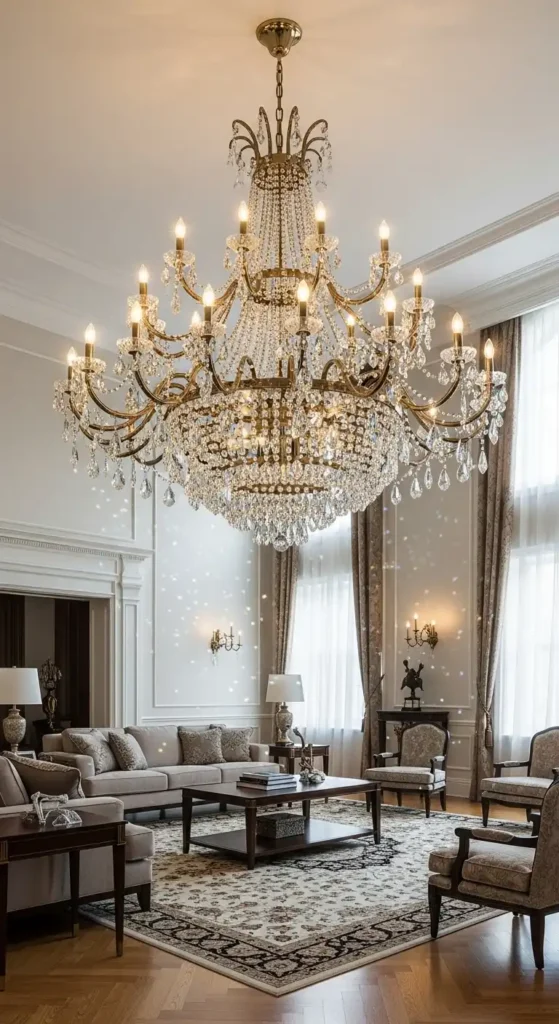
I ensure the scale is correct for the room; a fixture that is too small looks cheap, while the right size commands attention. This single change draws the eye upward, emphasizing ceiling height and adding a layer of grandeur to your dining or living area.
6. Remove Plastic Accessories
I have a strict rule in my designs: eliminate visible plastic wherever possible, especially in a neutral winter bedroom. Whether it is soap dispensers, hangers, or storage bins, plastic tends to look temporary and inexpensive, detracting from the overall polish of a room.
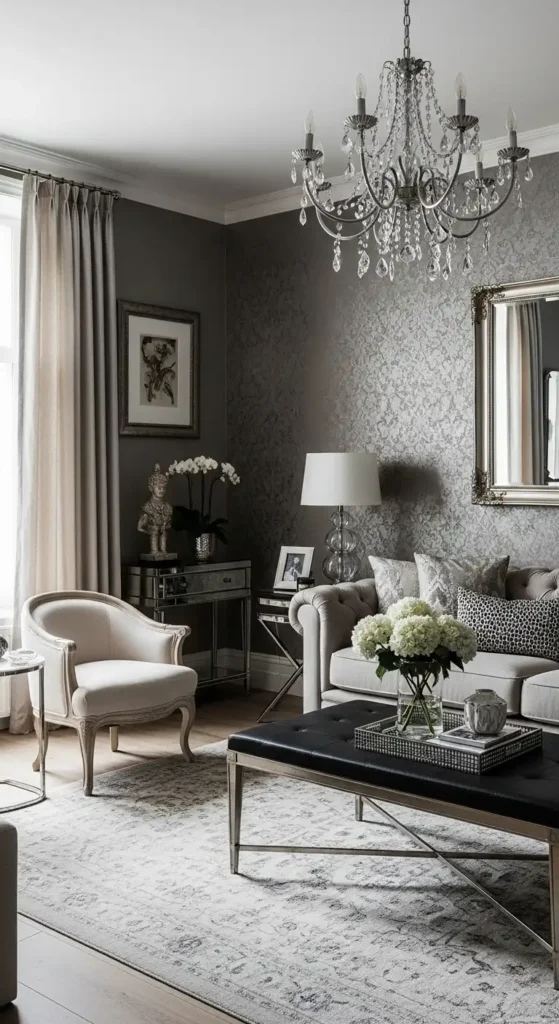
I replace these items with glass, ceramic, wood, or metal alternatives. Pouring dish soap into a glass dispenser or using wooden hangers in an open closet are small details that collectively raise the perceived quality of your home significantly.
7. Hide Your Trash Can Under the Sink
Visible trash cans, especially plastic ones, disrupt the visual flow of a kitchen or bathroom. I always recommend installing a pull-out trash system inside a cabinet or simply tucking a small bin inside the vanity unit to keep floor space clear.
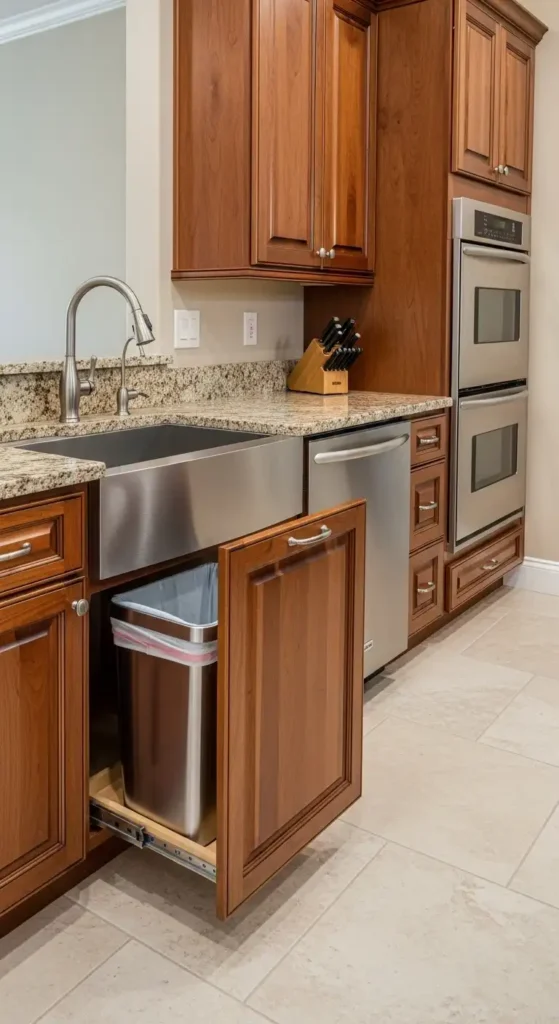
If hiding it isn’t an option, I suggest investing in a high-quality stainless steel or matte black pedal bin that looks like a deliberate design element. However, keeping it out of sight remains the gold standard for a pristine, uncluttered look.
8. Have an Overall Theme
Consistency is the secret sauce of luxury design, and establishing a cohesive theme is one of the smartest ways to make your home look more expensive. I advise deciding on a specific style, be it Scandinavian, Industrial, or Mid-Century Moder,n and sticking to it throughout the house.
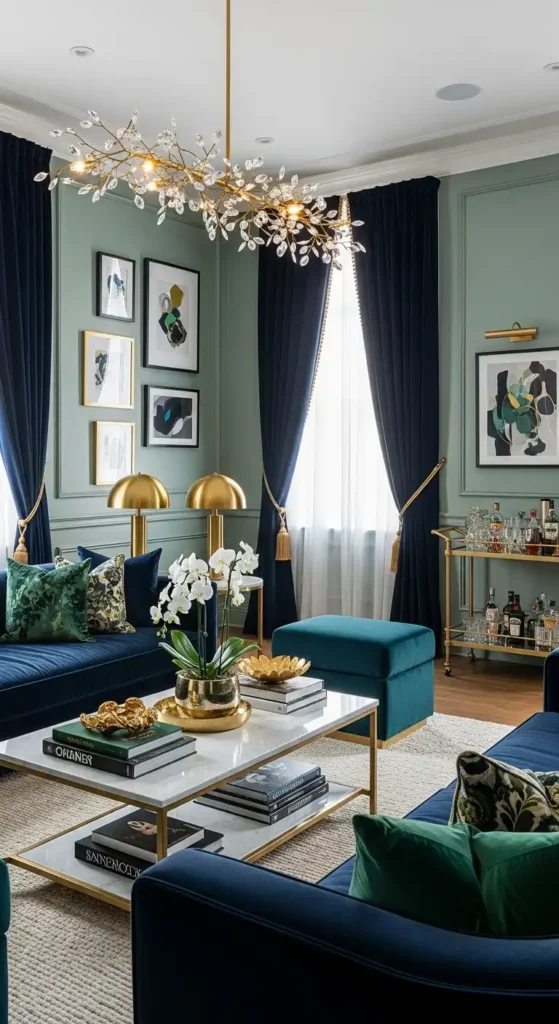
This does not mean every room must look identical, but there should be a connecting thread of color palette, material, or vibe. This flow makes the home feel larger and intentionally designed, rather than a collection of mismatched ideas.
9. Add Moldings
Architectural details add depth and character that plain drywall lacks. I love installing picture frame molding, crown molding, or baseboards to give a room a sense of history and permanence, which is often associated with high-value properties.
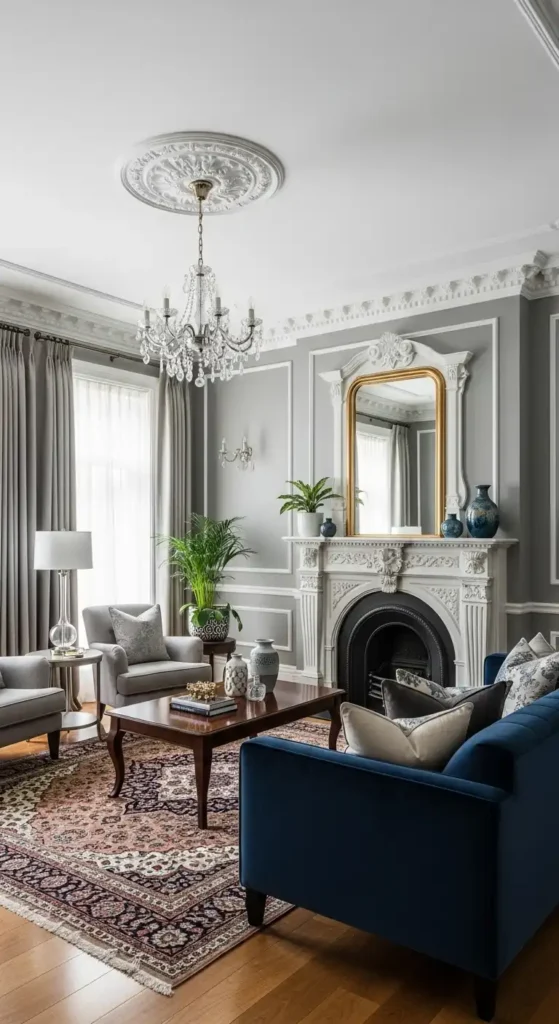
Even a simple DIY box trim painted the same color as the walls can add sophisticated shadow lines and texture. It frames your furniture and art beautifully, turning a basic boxy room into an elegant architectural space.
10. Use Quality Materials
When selecting finishes or furniture, I prioritize natural materials over synthetics whenever the budget allows. Solid wood, real stone, wool, and linen age beautifully and develop a patina, whereas veneers and polyesters often deteriorate and look cheap over time.
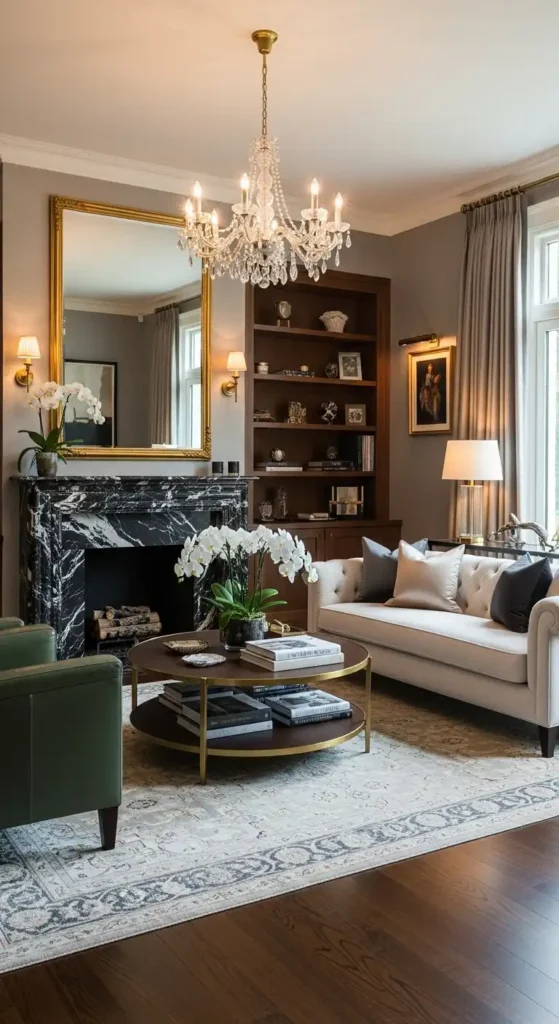
I tell my clients that it is better to have fewer items of higher quality than a house full of disposable goods. The tactile experience of touching a solid wood table or a wool rug immediately communicates luxury to anyone who enters your home.
11. Add Sconces
Wall lighting adds a layer of sophistication that overhead lighting alone cannot provide. I frequently use sconces to frame mirrors in bathrooms, highlight artwork in hallways, or provide reading light beside a bed, eliminating the need for cluttered cords.
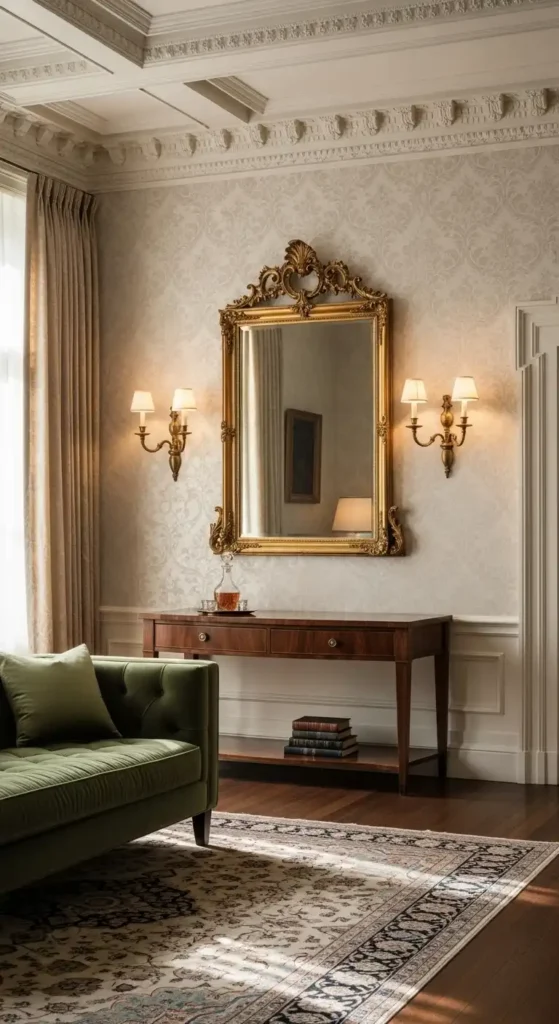
You don’t always need to hire an electrician; I often use battery-operated puck lights inside sconces for a wire-free solution. This addition creates a custom, built-in look that feels incredibly high-end and thoughtful.
12. Add Indoor Plants
Bringing nature indoors is one of the most effective ways to make your home look more expensive and vibrant. I prefer large statement plants like a Fiddle Leaf Fig or a Monstera in a substantial ceramic pot to fill empty corners with organic sculpture.
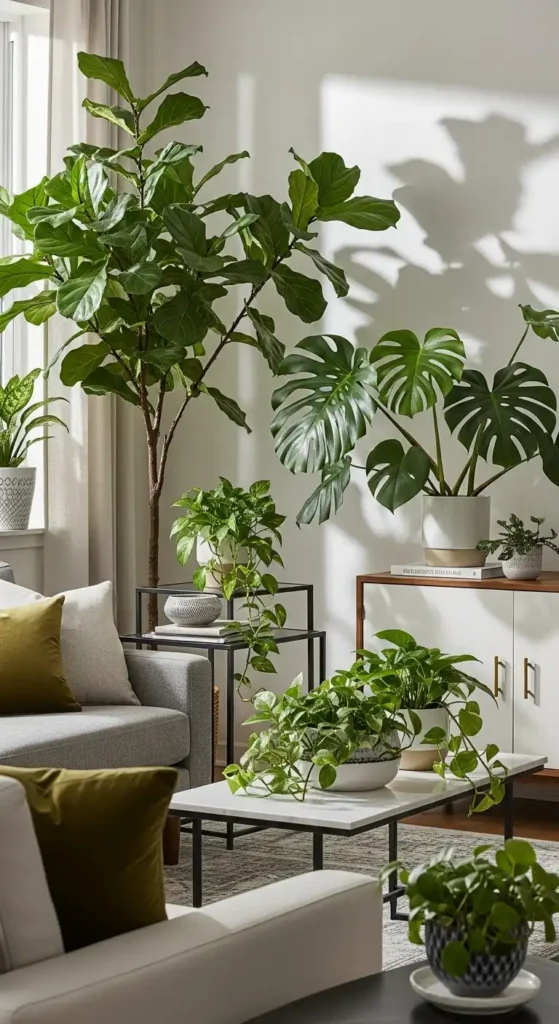
I ensure the plants look healthy and are dusted regularly, as neglected plants have the opposite effect. The presence of lush greenery implies that the home is well-cared for and adds a breath of life that softens hard architectural lines.
13. Replace Light Fixtures
Beyond the main chandelier, flush mounts and pendants in hallways and bedrooms often get overlooked, but similar attention to detail can elevate winter kitchen decor. I recommend swapping out generic “boob lights” for semi-flush mounts with drum shades or geometric metal designs to modernize the space instantly.
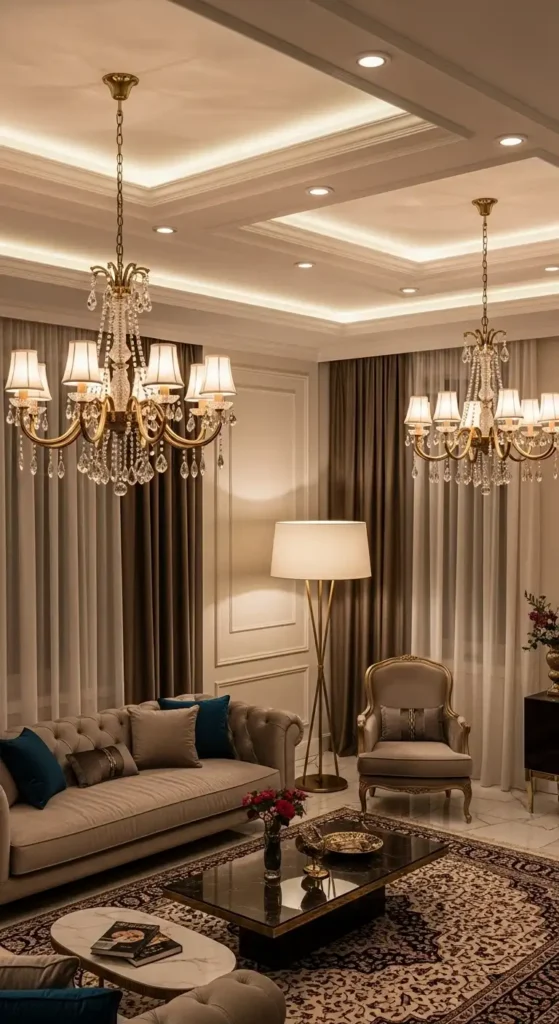
I view these fixtures as opportunities to introduce metallic accents or interesting textures to the ceiling plane. It is a relatively quick update that removes the generic rental feel and stamps your personal style on the home.
14. Replace Plastic Blinds
Standard plastic horizontal blinds are functionally fine but aesthetically lacking. I suggest replacing them with bamboo shades, roman shades, or floor-to-ceiling curtains to add softness and height to your windows.
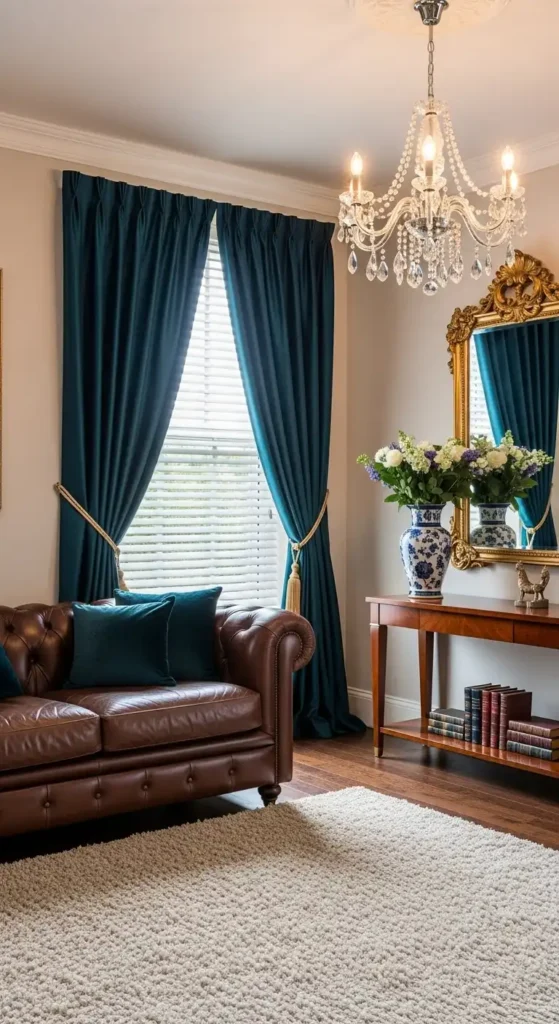
If you need privacy, I layer sheer curtains with heavier drapes. This multi-layered window treatment looks custom and luxurious, framing the view and controlling light in a much more elegant way than plastic slats ever could.
15. Add Contrasting Textures
A monochromatic room can look flat without texture, so I always mix materials to create depth. I might pair a rough jute rug with a smooth velvet sofa, or a glossy lacquer table with matte ceramic vases to keep the eye interested.
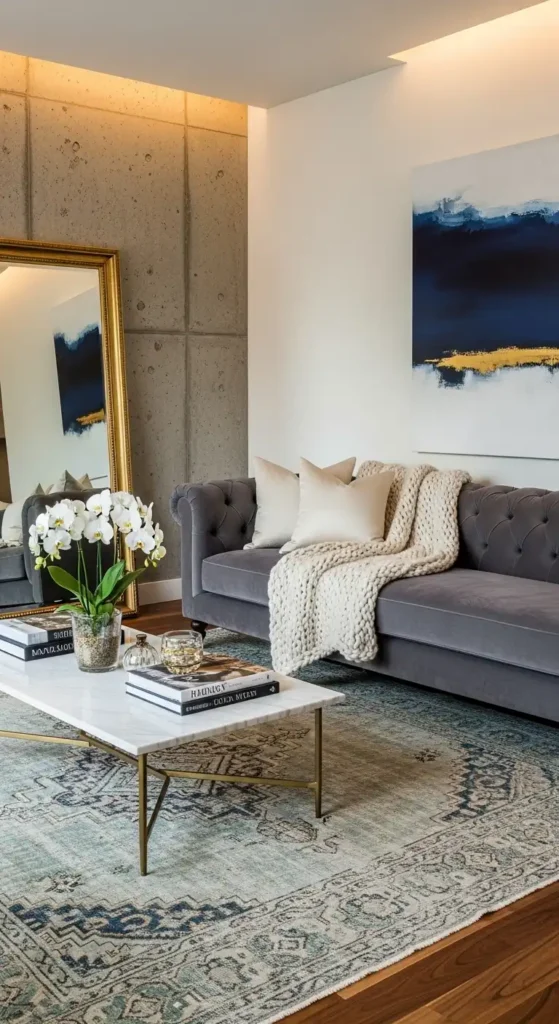
This interplay of surfaces makes the design feel rich and layered. It suggests a professional touch, as balancing textures requires a nuanced eye, elevating the perceived value of the furniture you already own.
16. Create Built-In Cabinets or Shelving
Custom joinery is a hallmark of luxury, and faking this look is one of my favorite ways to make your home look more expensive. I often place identical bookcases side-by-side and fill the gaps with trim to create the illusion of a wall-to-wall library unit.

I style these shelves with a mix of books and objects, leaving plenty of negative space. This “built-in” appearance adds architectural weight to the room and provides a bespoke solution for storage and display.
17. Paint the Walls in Light Colors
While dark rooms can be moody, light neutral walls generally make a space feel larger, cleaner, and more upscale. I lean towards warm whites, soft greys, or “greige” tones that reflect natural light and provide a gallery-like backdrop for your furnishings.
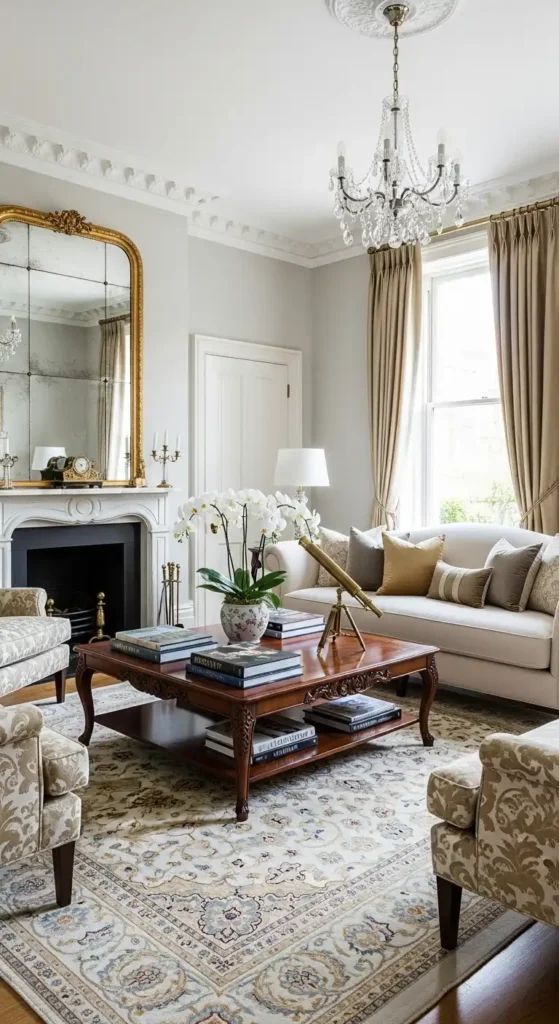
I find that light walls blur the boundaries of the room, creating an airy atmosphere associated with modern luxury. It allows your art and furniture to pop, rather than competing with an overpowering wall color.
18. Go to Garage Sales
True luxury often involves unique, one-of-a-kind pieces that cannot be bought at a big-box store. I encourage browsing garage sales and estate sales to find vintage mirrors, solid wood furniture, or unique ceramics that add soul and history to your home.

I enjoy the process of hunting for these treasures and refinishing them. A vintage piece with character acts as a conversation starter and breaks up the monotony of mass-produced furniture, giving your home a curated, collected feel.
19. Replace Your Cabinet Handles
Hardware is often called the jewelry of cabinetry, and swapping it is a quick, high-impact fix. I recommend replacing standard knobs with brushed brass, matte black, or polished nickel pulls to instantly modernize a kitchen or bathroom vanity.
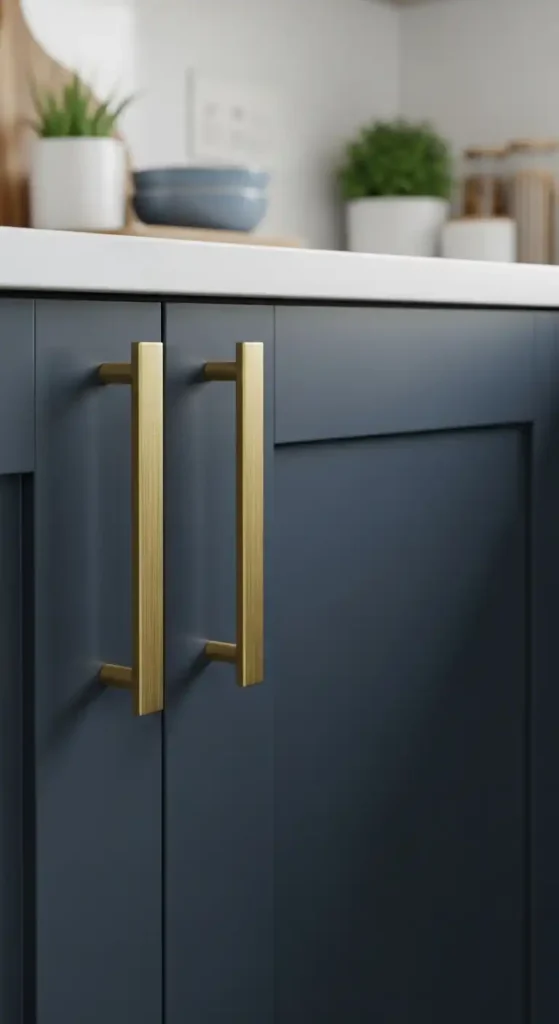
I look for hardware with some weight to it; flimsy handles feel cheap to the touch. This simple screwdriver upgrade can make IKEA cabinets look like custom millwork, drastically improving the overall finish of the room.
20. Add Fresh Flowers
Nothing spells luxury quite like a vase of fresh blooms. I consider this one of the simplest ways to make your home look more expensive weekly, as it signals that you take pride in the daily maintenance of your environment.
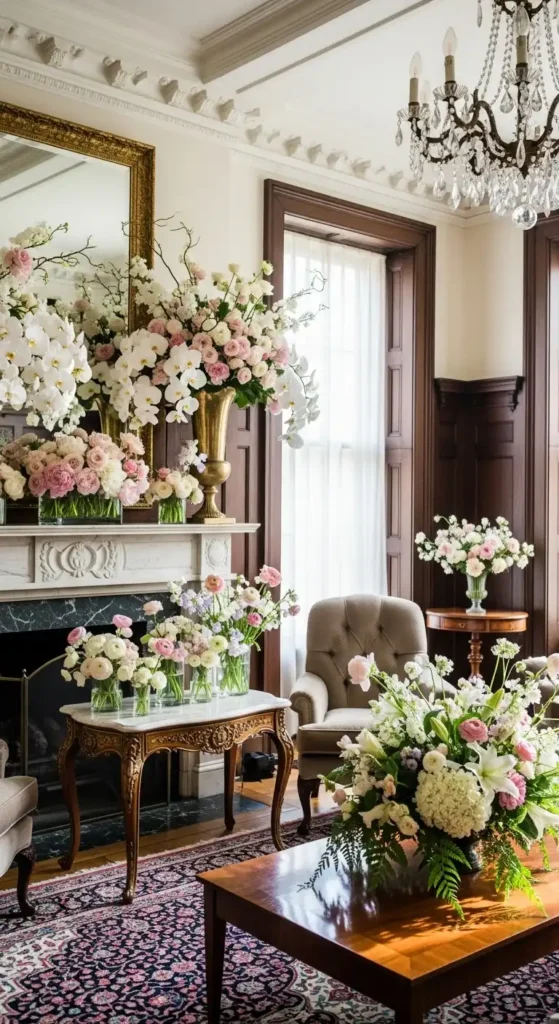
I stick to simple arrangements, often using one type of flower in a singular color for a chic, modern look. Whether it is a bunch of tulips or white lilies, the organic shape and color bring immediate freshness and elegance to any surface.
21. Add a Centerpiece to Your Dining Table
A dining table should never look completely bare; it presents a styling opportunity. I suggest using a low, wide bowl filled with seasonal fruit, a cluster of candles, or a sculptural vase to anchor the table when it is not in use.
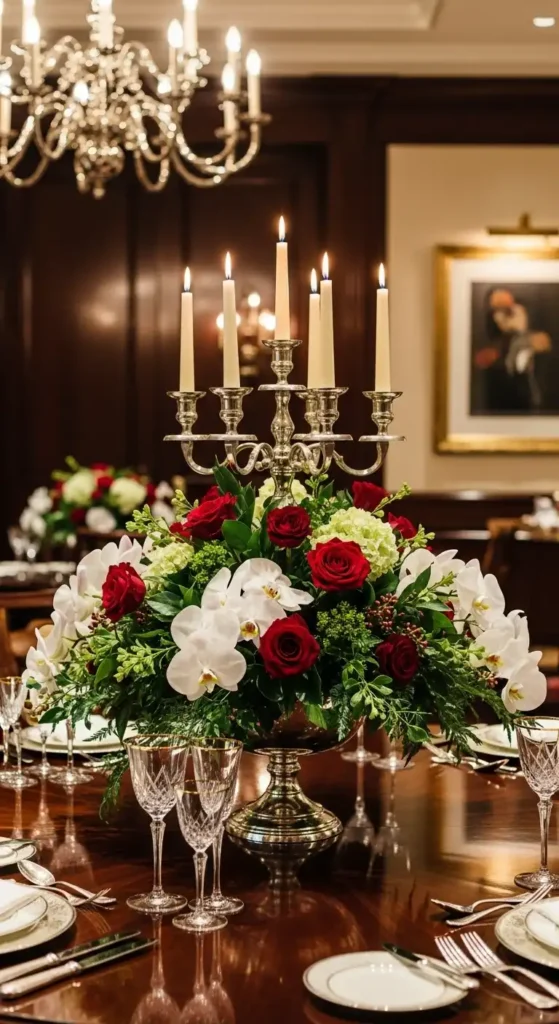
I ensure the centerpiece is proportionate to the table size so it doesn’t look lost. This finishing touch makes the dining area look ready for guests at any moment, contributing to the overall welcoming and polished atmosphere of the home.
How to Budget for Elegance?
I often get asked how to afford these upgrades. There are many ways to make your home look more expensive without breaking the bank, but I advise clients to prioritize changes that impact the “envelope” of the room first. Walls, floors, and lighting provide the highest return on investment visually compared to buying small accessories.
I also suggest doing one room at a time. It is better to fully finish one space to a high standard than to scatter your budget thinly across the entire house. This method allows you to invest in quality pieces that will last, rather than rushing with cheaper temporary solutions.
Why Does the Right Lighting Matter?
The right lighting completely changes how I experience a space and how comfortable it feels. I’ve noticed that good lighting highlights textures, colors, and details that would otherwise go unnoticed.
It also plays a big role in setting the mood and improving functionality. When the lighting is right, a room feels more welcoming, balanced, and easy to use throughout the day.
Conclusion
Creating a home that feels expensive is a journey of refinement, not just spending. I have shared these insights to show you that by paying attention to details like lighting, texture, and organization, you can craft a space that rivals high-end design projects. Implementing these ways to make your home look more expensive allows you to make intentional choices that prioritize quality and visual harmony.
I encourage you to start with just one or two of these changes and observe how they shift the energy of your home. Whether it is adding fresh flowers or updating a light fixture, every step brings you closer to a sanctuary that feels sophisticated and uniquely yours.
FAQs
1. What is the cheapest way to make a room look expensive?
Decluttering is free and instantly makes any space look larger, more curated, and significantly more high-end.
2. Can I mix different wood tones in one room?
Yes, mixing wood tones adds depth and a collected feel; just try to keep the undertones (warm or cool) consistent.
3. Do I need to paint my ceiling white?
Not necessarily; painting the ceiling the same color as the walls can create a cozy, envelope-like effect that feels very chic.
4. How high should I hang my curtains?
I always recommend hanging curtains as high and wide as possible to make windows look larger and ceilings appear taller.
5. Is minimal design always more expensive looking?
Often yes, because “negative space” implies you have room to spare, whereas clutter can signal a lack of storage space.